Case Study: How Disney Made Orlando the Tourism Capital | Sarah Colgate
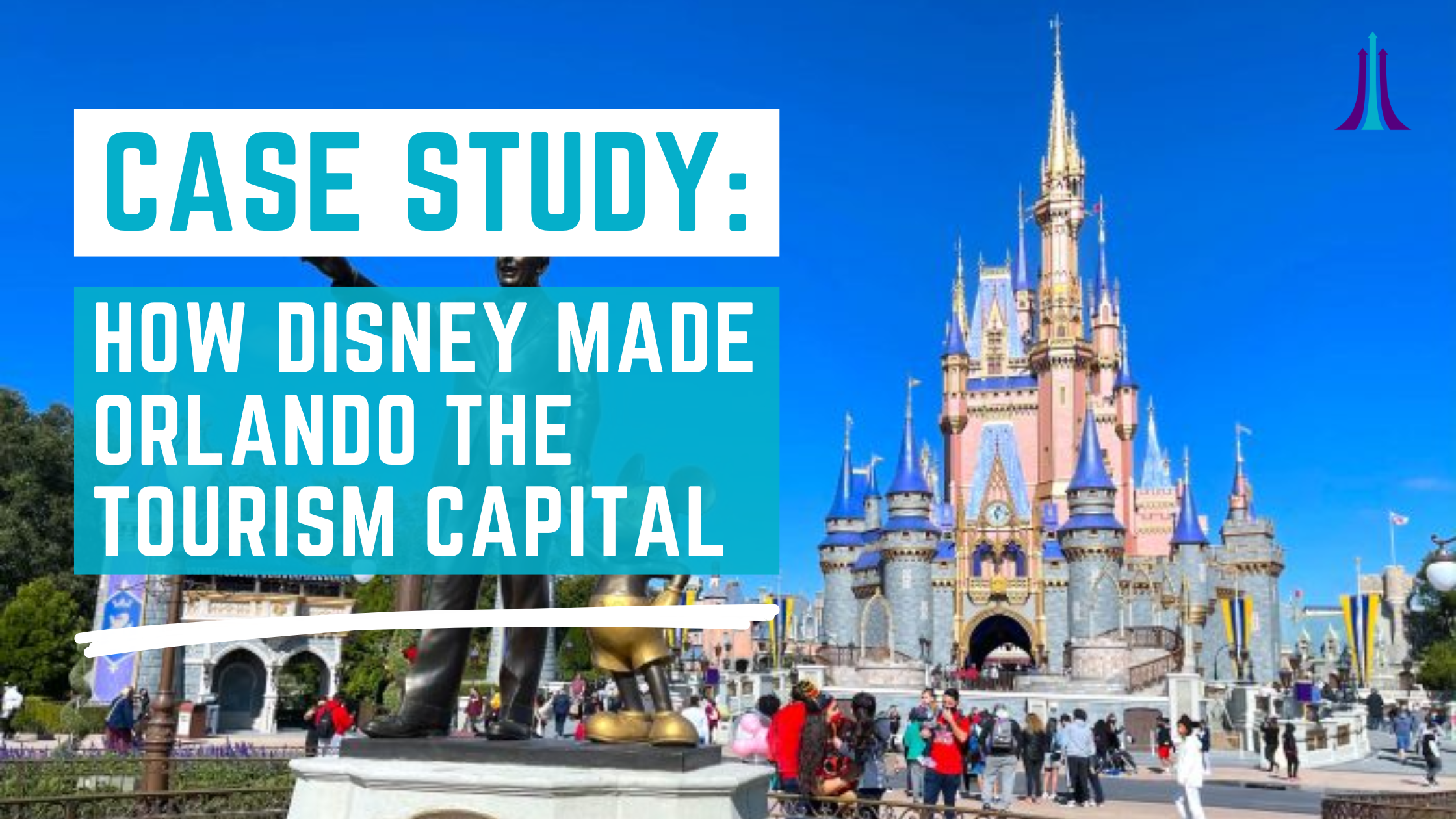
A Blueprint for Economic Growth, Diversification and Destination Success
Orlando, Florida has evolved from a quiet town into one of the world’s most visited destinations, welcoming over 74 million visitors in 2023 alone (Visit Orlando Annual Report).
At the heart of this transformation is Walt Disney World Resort, a global icon that has catalyzed massive tourism, economic growth, and job creation.
This case study explores how Disney’s presence ignited Orlando’s tourism economy, how the city expanded and diversified to appeal to multiple visitor segments, and most importantly what other destinations can learn and replicate from this model.
The Economic Engine: Disney as a Catalyst for Regional Growth
Since opening in 1971, Walt Disney World Resort has gone beyond entertainment, becoming an economic driver for the entire state.
Key Data:
$40.3 billion: Disney’s estimated annual economic contribution to Florida (Oxford Economics, 2022).
250,000+ jobs: Supported directly or indirectly by Disney, equating to 1 in every 32 jobs in Florida.
58 million annual visitors to Disney: A massive visitor base that powers Orlando’s wider tourism ecosystem (Themed Entertainment Association).
Economic Ripple Effect:
Disney’s gravitational pull doesn’t just bring tourists, it fuels surrounding industries:
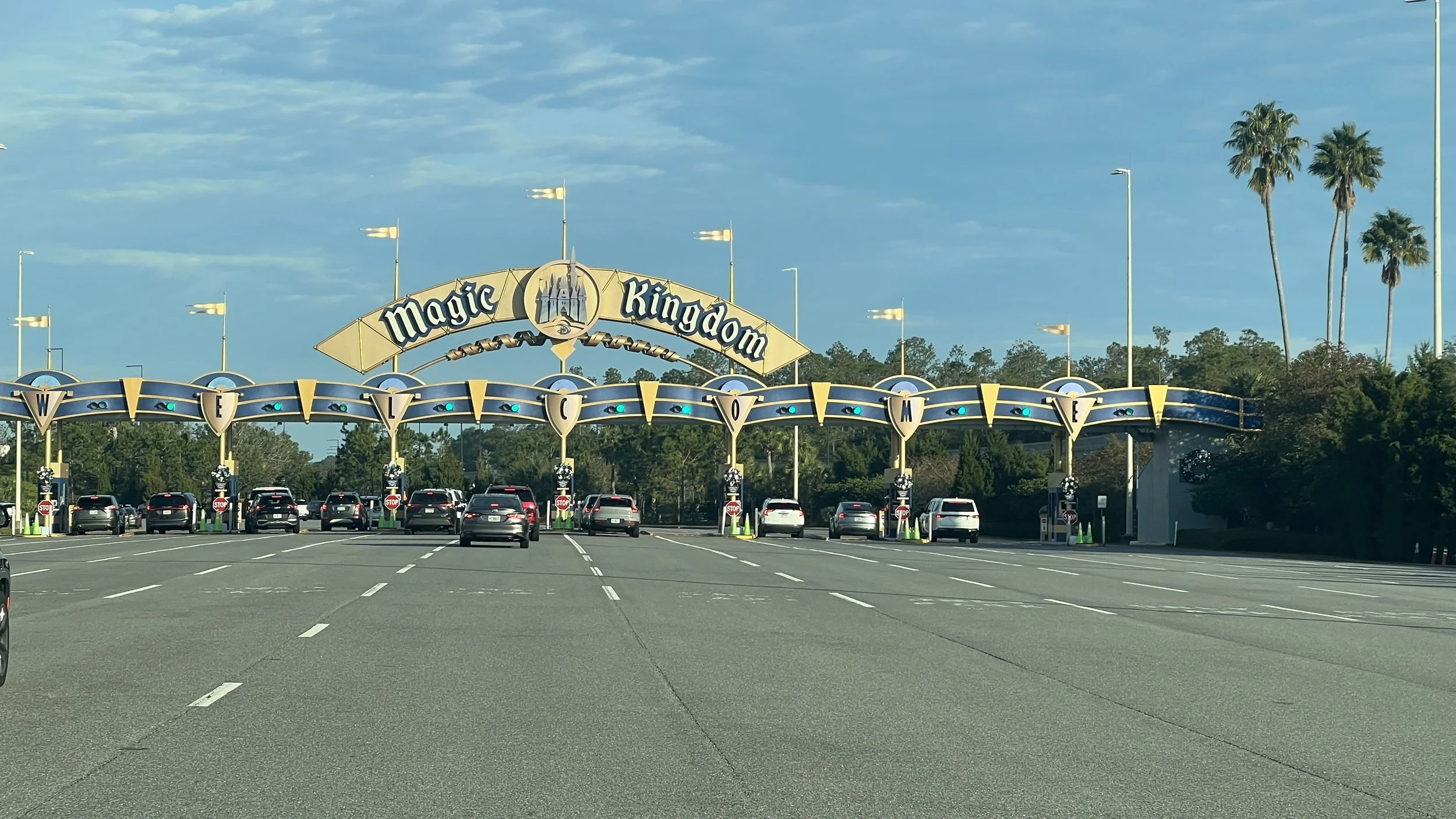
Hospitality boom: Orlando boasts over 480,000 hotel rooms, one of the largest inventories in the U.S. Hotels outside Disney property (e.g., Four Seasons Orlando, JW Marriott) thrive because of overflow demand.
Local dining and retail: Tourists don’t stay inside the park gates. Downtown Orlando, Winter Park, and ICON Park have seen significant growth from visitors seeking dining and shopping outside of Disney.
Transportation infrastructure: Ride-share services, airport shuttles, high-speed rail, and road networks have expanded to accommodate the volume of tourists.
Takeaway for Destinations:
Anchor attractions act as economic magnets.
The stronger the flagship draw, the more surrounding businesses can grow, if supported with infrastructure and aligned marketing.
Creating a Tourism Ecosystem: Support for Small and Medium Businesses
Disney’s presence triggered an economic snowball that empowered thousands of local operators to thrive. But this wasn’t accidental, it was due to intentional development, strategic planning, and public-private collaboration.
Business Opportunities Created:
Local tour operators offering day trips, VIP park experiences, or wildlife excursions to nearby state parks.
Family-friendly restaurants with themes and meal options tailored to international guests.
Retail stores, entertainment districts, and nightlife options that cater to both tourists and locals.
Government and Community Support:
The Greater Orlando Aviation Authority, Visit Orlando, and Orlando Economic Partnership collaborate with local businesses to promote holistic destination growth not just park-based tourism.
Takeaway for Destinations:
Your major attractions must be supported by an intentional ecosystem strategy. Local business support, training, and marketing inclusion are essential.
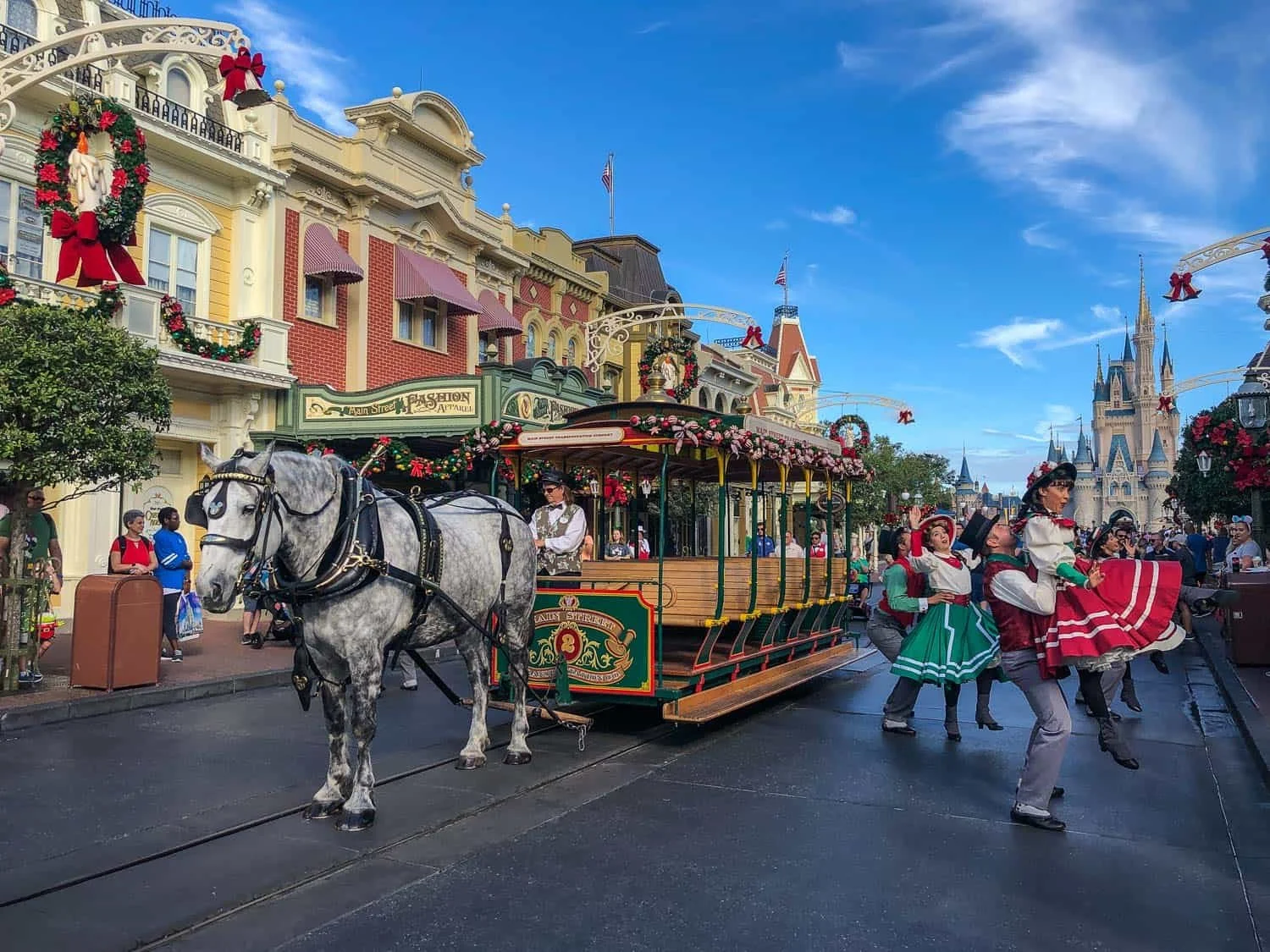
Diversification: Beyond the Castle Walls
Orlando didn’t stop at being a theme park city. To avoid the risk of single-attraction dependency, it has strategically diversified into culture, sports, nature, and business tourism.
1. Competing but Complementary Attractions
Universal Orlando Resort introduced immersive experiences like The Wizarding World of Harry Potter, drawing older audiences and thrill-seekers.
SeaWorld appeals to marine life lovers and families seeking edutainment.
This diversification ensures longer stays and broader visitor appeal.
2. Cultural and Natural Assets
Orlando Museum of Art, Dr. Phillips Center for the Performing Arts, and Harry P. Leu Gardens attract culturally inclined visitors.
Proximity to Everglades, state parks, and springs helps capture the growing ecotourism and soft-adventure market.
3. Sports and Events Tourism
ESPN Wide World of Sports Complex and Exploria Stadium host youth tournaments, professional leagues, and global events.
These events bring repeat visitation and off-peak demand.
Takeaway for Destinations:
Diversification builds resilience. Use your natural, cultural, and sport-based assets to attract niche and secondary markets.
Year-Round Appeal: Beating Seasonality with Strategy
Orlando doesn’t suffer from traditional seasonal tourism dips because it has invested in seasonal programming, business tourism, and weather-proof experiences.
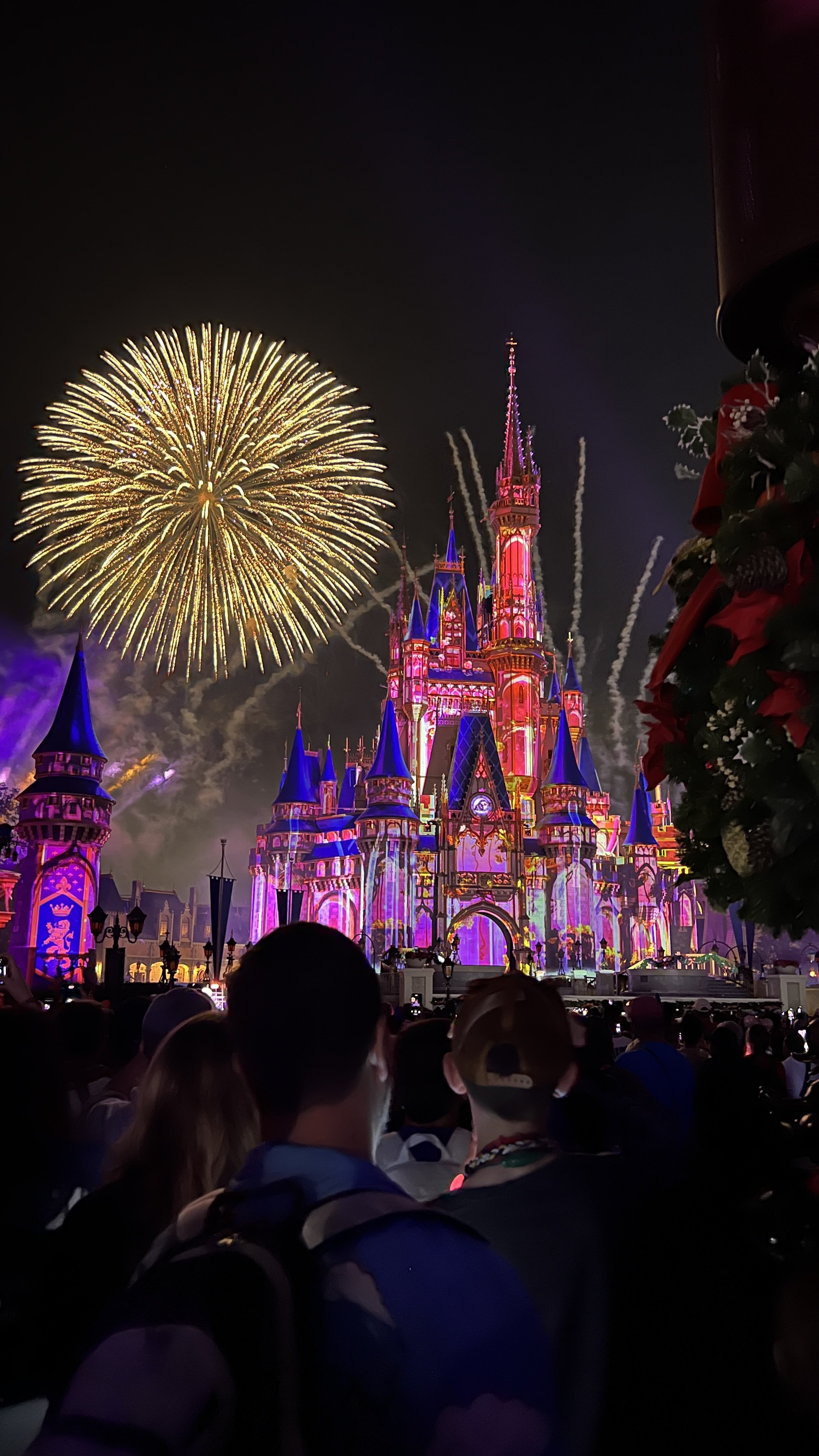
1. Signature Events That Drive Repeat Visitation
EPCOT International Food & Wine Festival (Aug–Nov)
Universal’s Halloween Horror Nights
Holiday-themed festivals and spring break events
These events re-engage past visitors and offer new hooks for each visit.
2. Business Events & Conferences
Orange County Convention Center (OCCC) is the 2nd largest convention center in the U.S.
In 2022, OCCC hosted 168 events attracting over 1.5 million attendees, many of whom extended their stays for leisure travel (OCCC Annual Report).
3. Favourable Year-Round Climate
Mild winters make Orlando a “snowbird” hub, drawing retirees from colder U.S. states and Canada.
Summer promotions and kids’ events maintain traffic during heatwaves.
Takeaway for Destinations:
Use events, climate, and business infrastructure to smooth out peaks and troughs. Design campaigns that pull new audiences during quieter months.
Visitor Volume and Insights
2023 Stats:
74 million total visitors to Orlando
67.9 million domestic
6.1 million international
Visitor spend surpassed $87.6 billion across Central Florida (Visit Orlando Economic Impact Report).
Notably, over half of visitors to Orlando explore experiences beyond Disney parks, highlighting the success of broader destination marketing.
Takeaway for Destinations:
Tourism is no longer about one attraction. It’s about layered experiences that speak to different travellers’ needs.
Key Strategies for Replication: Lessons for Tourism Destinations
1. Invest in Anchor Attractions
You don’t need a Disney but you do need a drawcard. This could be:
A unique natural attraction
A major cultural institution
A purpose-built experience hub (e.g. Aboriginal cultural centre, mountain bike park)
2. Build and Support the Ecosystem
Train and fund local operators to develop complementary experiences
Use destination marketing to promote entire visitor itineraries, not just one venue
Encourage collaboration between flagship attractions and SMEs
3. Diversify Your Product Mix
Appeal to a range of demographics:
Families
Adventure-seekers
Culture lovers
Wellness and health-conscious travellers
Business and MICE travellers
4. Develop Infrastructure
Easy transportation access from airports and between hubs
Walkable precincts and intuitive signage
Digital tools for wayfinding and interpretation
5. Use Data and Technology
Track visitor movement and spend via apps or Wi-Fi tracking
Use CRM and analytics to segment audiences and improve retargeting
Personalise marketing based on behaviour, not just demographics
6. Seasonal Campaigns and Signature Events
Create a calendar of events across all seasons
Use holidays, cultural celebrations, and food festivals to generate local and tourist appeal
7. Embrace Sustainability
Eco-friendly transport, waste management, and water usage
Partnerships with local producers and community initiatives
Communicate sustainability credentials clearly
Final Takeaways: Building a Destination That Lasts
Orlando didn’t just become a tourism powerhouse because of Disney, it succeeded because the destination was built around Disney. Through partnerships, infrastructure, diversification, and event planning, it created a resilient, multi-layered tourism economy.
Destinations of all sizes can adapt these strategies:
✔ Focus on one or two powerful anchor attractions
✔ Create a web of supportive businesses
✔ Invest in infrastructure and workforce
✔ Think beyond holidays think ecosystems
“Tourism doesn’t just happen. It’s built, with intention, strategy, and collaboration.” — Sarah Colgate, Tourism Expert and Business Improvement Professional
Ready to Build Your Destination Strategy?
Let me, Sarah Colgate, help you develop a plan that drives visitation, supports local businesses, and creates lasting economic benefit for your community.
Let’s future-proof your destination and unlock its full potential.