Case Study: What Regional Australia Can Learn from Orlando’s Tourism Success
A Strategic Roadmap for Sustainable Growth, Year-Round Demand, and Economic Impact
When you think of Orlando, Florida, images of theme parks and family fun come to mind but Orlando is more than just Disney.
It’s a tourism economy built on anchor attractions, diversified visitor experiences, and year-round appeal. Most importantly, it’s a model any region can adapt, at scale.
For regional Australia, where operators face challenges like seasonality, reliance on a narrow visitor segment, or limited marketing budgets, Orlando offers a proven framework for growing tourism in a way that benefits businesses, communities, and councils.
1. Anchor Attractions Drive Growth – Even in Small Towns
The Orlando Parallel
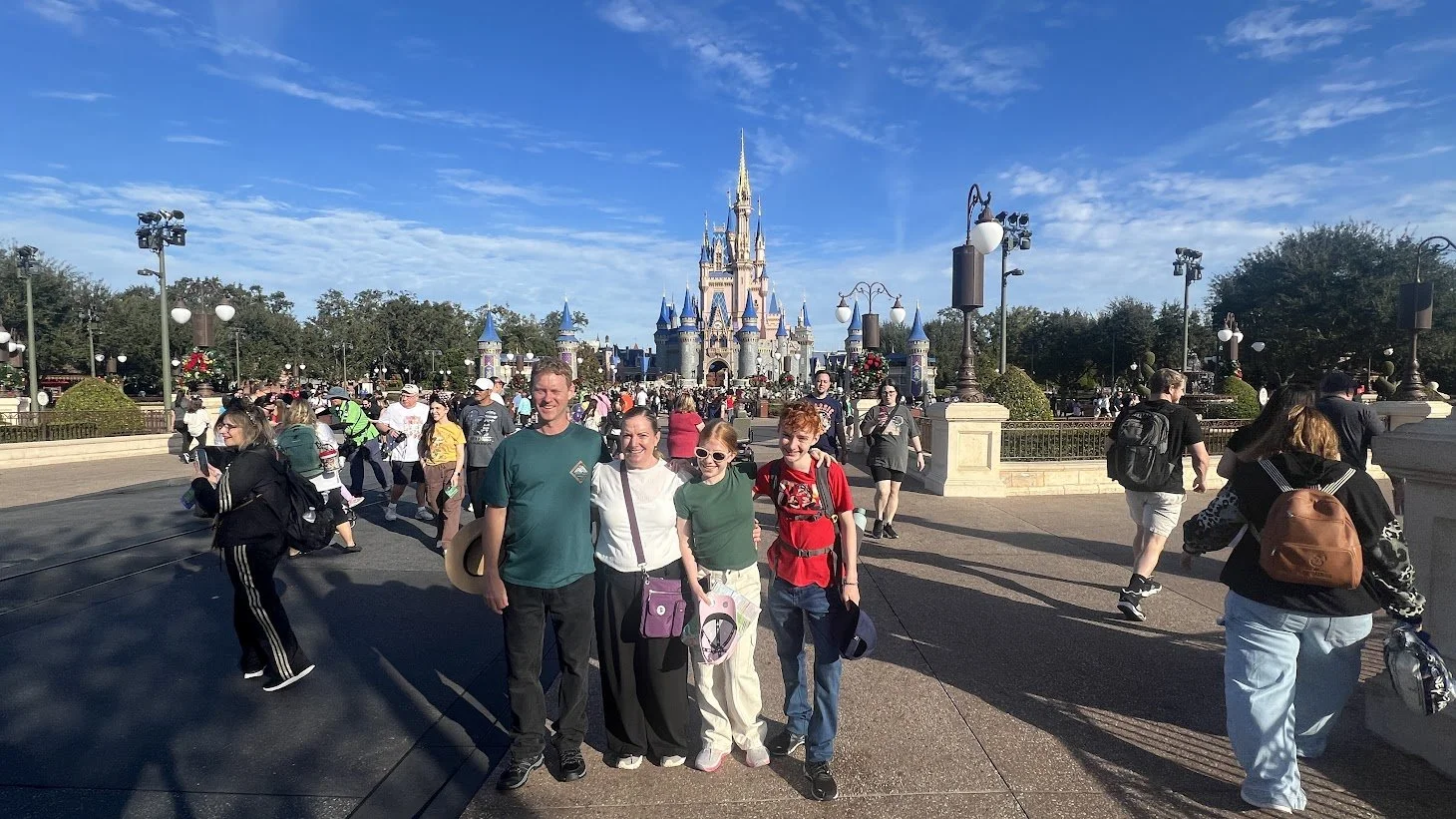
Walt Disney World was the catalyst but Orlando’s success came from building around that anchor.
The Australian Context
Your region may not have a theme park, but every place has something unique that can be developed into a destination-defining anchor.
✅ A natural wonder (e.g. the Mungo National Park sand dunes)
✅ A hero experience (e.g. the Qantas Founders Museum in Longreach)
✅ A cultural event or precinct (e.g. Dark Mofo in Hobart)
Anchor attractions give people a reason to visit and create opportunities for local businesses to benefit from the visitor flow.
Case in point:
The Silo Art Trail in Western Victoria transformed tiny towns like Brim and Sheep Hills into tourism stops, increasing visitor nights and local spend through a single, visually compelling anchor concept.
2. Know Your Traveller: Demographics & Demand Insights
Who is Travelling to Regional Australia?
According to Tourism Research Australia (2023):
88% of visitors to regional Australia are domestic travellers
Regional visitors stay longer and spend more per night than metro day trippers
There’s been a 20% rise in intrastate travel post-COVID, with strong growth from:
Retirees and grey nomads
Families seeking nature escapes
Millennials looking for unique, Instagram-worthy stays
High-value international travellers (from markets like the US, UK, and Singapore)
Why This Matters
Different travellers want different things:
Grey nomads want ease, comfort, and value
Young travellers want experiences, culture, and storytelling
International visitors want connection, authenticity, and transformation
If your region isn’t segmenting your audience, you’re likely missing them.
3. Build an Ecosystem, Not Just an Attraction
In Orlando
Disney didn’t succeed alone it enabled a whole ecosystem of tour operators, accommodation providers, and local businesses to grow around it.
In Regional Australia
When one great experience exists, link it to others.
✅ Package glamping with a winery tour
✅ Link a heritage rail trip with farm-to-table dining
✅ Connect art galleries with local food events
Case in point:
In Orange, NSW, the region built an identity around premium wine and food. By connecting local vineyards, events (like Orange F.O.O.D. Week), and boutique stays, it transformed from a sleepy inland town to a high-value food tourism destination.
What You Can Do
Build visitor itineraries, not just stand-alone offers
Invest in collaborative marketing across operators
Encourage cross-promotion within your LTO or council
4. Diversify: Don’t Put All Your Visitors in One Basket
In Orlando
Orlando grew by adding cultural attractions, sports venues, and events to broaden its appeal beyond theme park visitors.
In Regional Australia
Too many regions rely heavily on one type of traveller e.g. weekenders, school holidays, or event-based peaks. This leaves them vulnerable.
Diversification creates resilience. Here’s how:
✅ Add mid-week experiences for retirees and couples
✅ Create cultural programming to attract arts and heritage travellers
✅ Develop low-season itineraries that include wellness, nature and local connection
✅ Welcome events tourism like UCI biking events, music festivals, or First Nations celebrations
Case in point:
Katherine, NT used to rely on peak-season caravan traffic. It has since diversified with cultural tourism (Top Didj Experience), art galleries, river tours, and small-scale events to stretch demand across the year.
5. Win the War on Seasonality with Events and Experiences
The Problem
Seasonality is the silent killer of regional business sustainability.
The Orlando Model
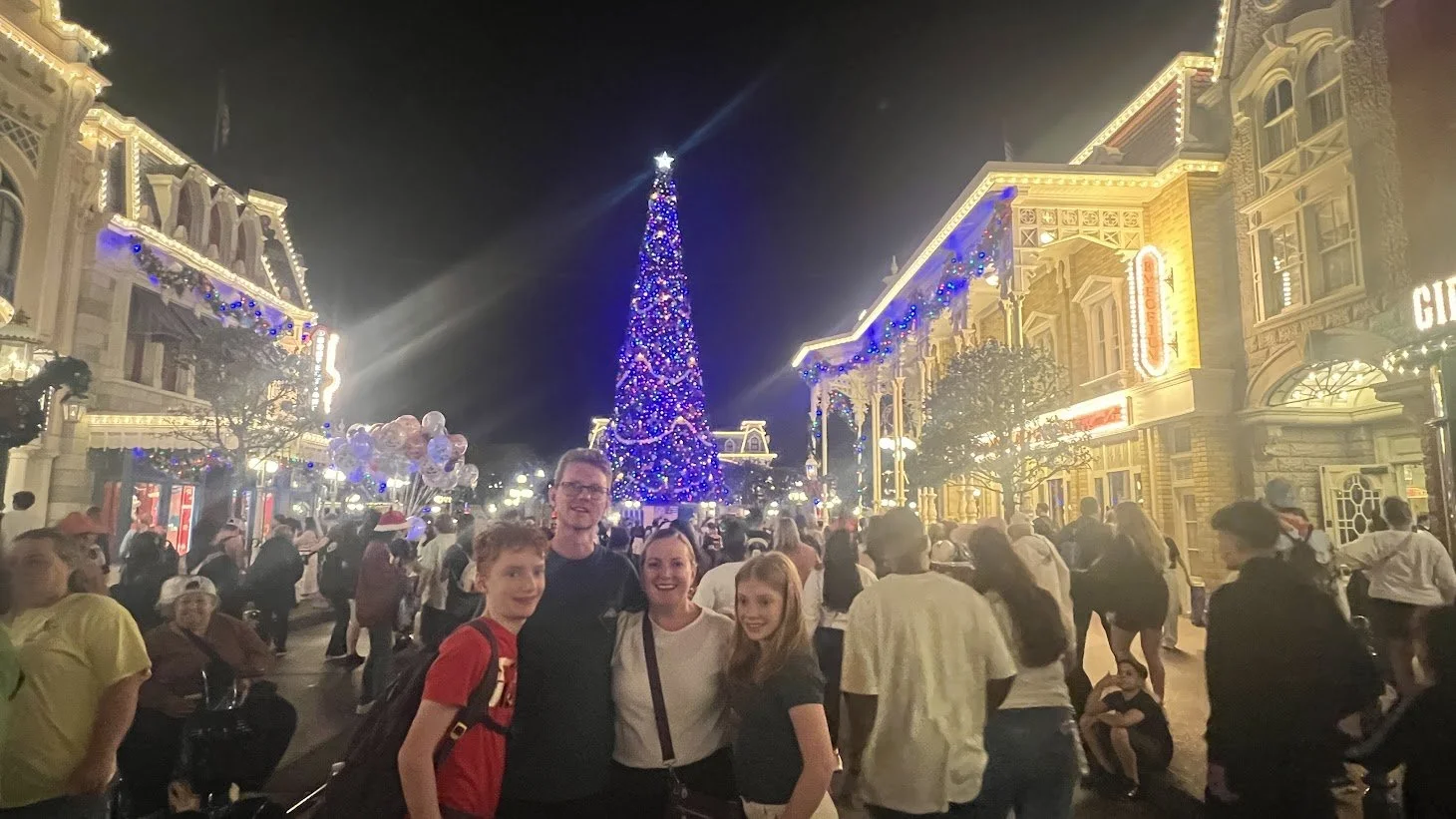
Orlando thrives year-round by programming seasonal events:
Halloween Horror Nights
EPCOT Wine & Food Festival
Christmas Spectaculars
What Regional Destinations Can Do
You don’t need a billion-dollar budget to program seasonal content.
✅ Run winter foodie weekends or stargazing retreats
✅ Create a regional harvest or orchard event
✅ Add school holiday workshops for visiting families
✅ Partner with local artists to create cultural installations or street performances
Case in point:
The Winter Festival in Bathurst, NSW has become a major regional draw in July, boosting accommodation and dining during an otherwise quiet season.
https://www.bathurstwinterfestival.com.au/
5. Win the War on Seasonality with Events and Experiences
The Problem
Seasonality is the silent killer of regional business sustainability.
The Orlando Model
Orlando thrives year-round by programming seasonal events:
Halloween Horror Nights
EPCOT Wine & Food Festival
Christmas Spectaculars
What Regional Destinations Can Do
You don’t need a billion-dollar budget to program seasonal content.
✅ Run winter foodie weekends or stargazing retreats
✅ Create a regional harvest or orchard event
✅ Add school holiday workshops for visiting families
✅ Partner with local artists to create cultural installations or street performances
Case in point:
The Winter Festival in Bathurst, NSW has become a major regional draw in July, boosting accommodation and dining during an otherwise quiet season.
https://www.bathurstwinterfestival.com.au/
6. Use Data to Guide Investment and Marketing
In Orlando, data from ticket sales, mobile movement, and accommodation trends guide:
Marketing decisions
Infrastructure investment
Product development
For Australian Regions
Many tools are available (often free or subsidised):
✅ Google Destination Insights
✅ Tourism Research Australia (LGA profiles)
✅ STR and Airbnb data for accommodation trends
✅ Mobile data from providers like DSpark, UberMedia, and Roy Morgan
Tourism decisions shouldn’t be based on assumption they should be driven by insight.
7. Sustainability Is Not a Trend – It’s a Deal Breaker
Travellers, especially younger Australians and high-yield international guests are increasingly seeking eco-aligned experiences.
What This Means
Support carbon-neutral or regenerative initiatives
Invest in low-impact tourism infrastructure
Use storytelling to showcase your environmental values
Promote businesses that use solar, reduce waste, or source local
Case in point:
Lady Elliot Island Eco Resort, QLD is fully off-grid, with a strong commitment to reef conservation. Its success proves sustainability can be profitable, not just ethical.
https://www.ladyelliot.com.au/
Final Lessons: What Regional Australia Can Learn From Orlando
Orlando Success Strategy How Regional Australia Can Adapt
Anchor attraction Hero product, experience or story
Local business ecosystem Partnering with tourism operators, cafes, makers and creatives
Year-round event programming Seasonal content, food and wine weekends, art festivals
Visitor experience bundling Collaborative packaging across accommodation, tours, and dining
Data-led strategy Use TRA, Google, and visitor feedback to guide decisions
Diversification of audiences Target families, grey nomads, digital nomads, international segments
Sustainability leadership Promote eco-practices and regenerative tourism
Your Next Step: Turn Insights into Action
If you’re a regional council, tourism body, or local operator wondering how to activate these insights, I can help.
I work with destinations across Australia to build:
✅ Tourism strategies tailored for regional realities
✅ Product development plans that align with traveller demand
✅ Marketing and packaging models that increase visitation, spend and sustainability