Case Study: Tasmania Turning Harsh Histories into Hero Experiences
Turning Harsh Histories into Hero Experiences
How Tasmania’s Penal Past Drives Global Tourism Appeal
Purpose
This case study explores how Tasmania has transformed a difficult colonial legacy into one of Australia’s most compelling cultural tourism propositions.
By presenting its penal history with truth, care, and emotional depth, Tasmania demonstrates how “dark” or complex heritage can become a hero experience, one that drives visitation, deepens meaning, and builds long‑term destination value.
For tourism operators and destinations worldwide, Tasmania offers a replicable model for turning challenging histories into transformational travel experiences that educate, move, and inspire.
Why Difficult History Matters to Modern Travellers
Global research consistently shows that travellers are increasingly motivated by meaning, learning, and emotional connection, not just sightseeing.
Transformational and cultural experiences are a top motivator for high‑value travellers, particularly those seeking learning, reflection, and personal growth (Tourism Australia, Future of Demand).
“Dark tourism” sites (places associated with tragedy, injustice, or hardship) are among the fastest‑growing heritage segments, because they provide context, empathy, and perspective rather than entertainment alone (UNWTO).
Tasmania has leaned into this demand without sensationalism by humanising history and connecting it to place.
Tasmania’s Penal Story: From Stigma to Strength
For much of the 20th century, Tasmania’s convict past was considered a source of shame. Today, it is one of the state’s strongest cultural tourism assets.
More than 75,000 convicts were transported to Tasmania (then Van Diemen’s Land) between 1803 and 1853.
Their stories alongside those of soldiers, administrators, women, children, and First Nations people form a complex, confronting, and deeply human narrative.
Tasmania’s success lies not in hiding this history, but in interpreting it with integrity.
Anchor Example 1:
Port Arthur Historic Site
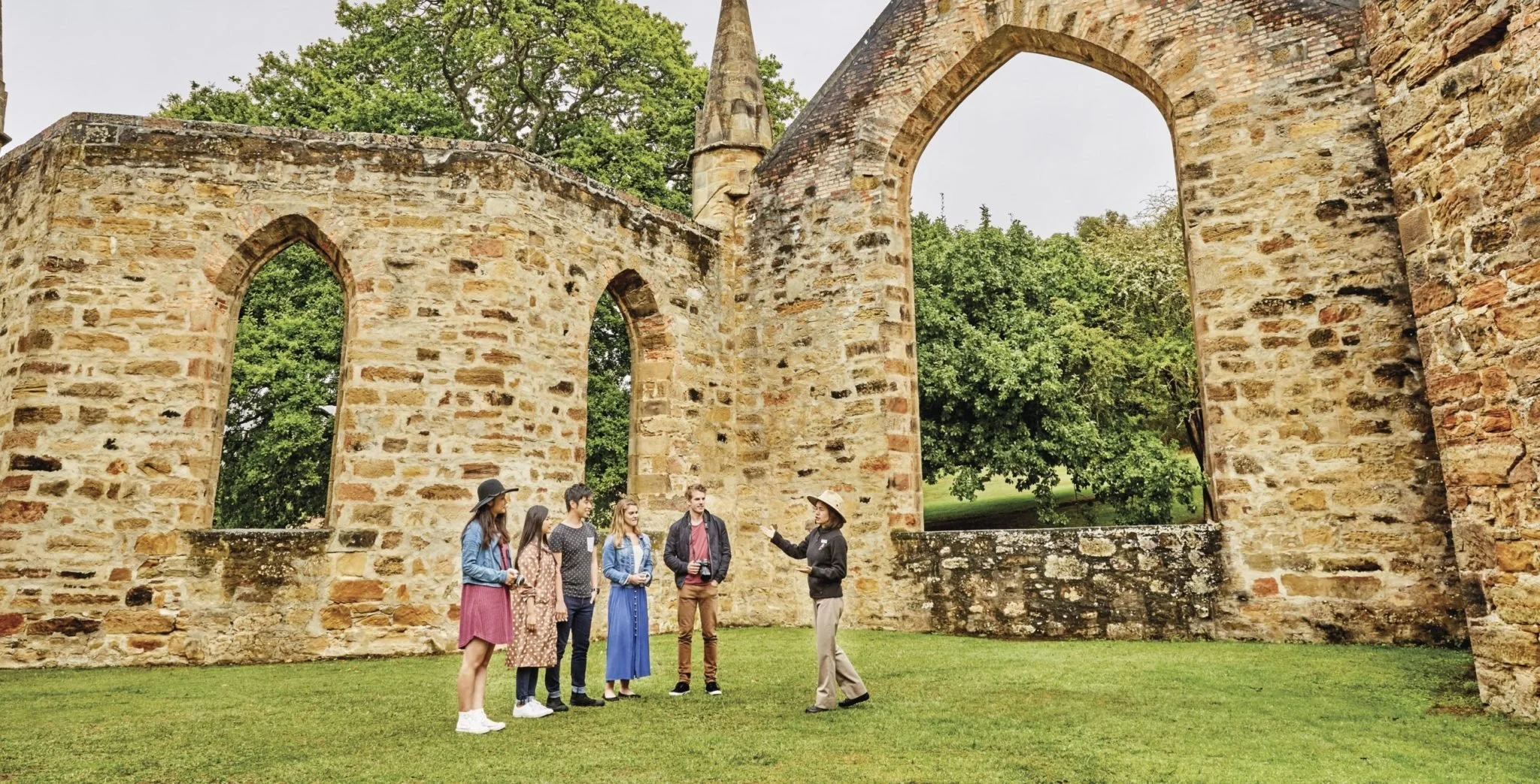
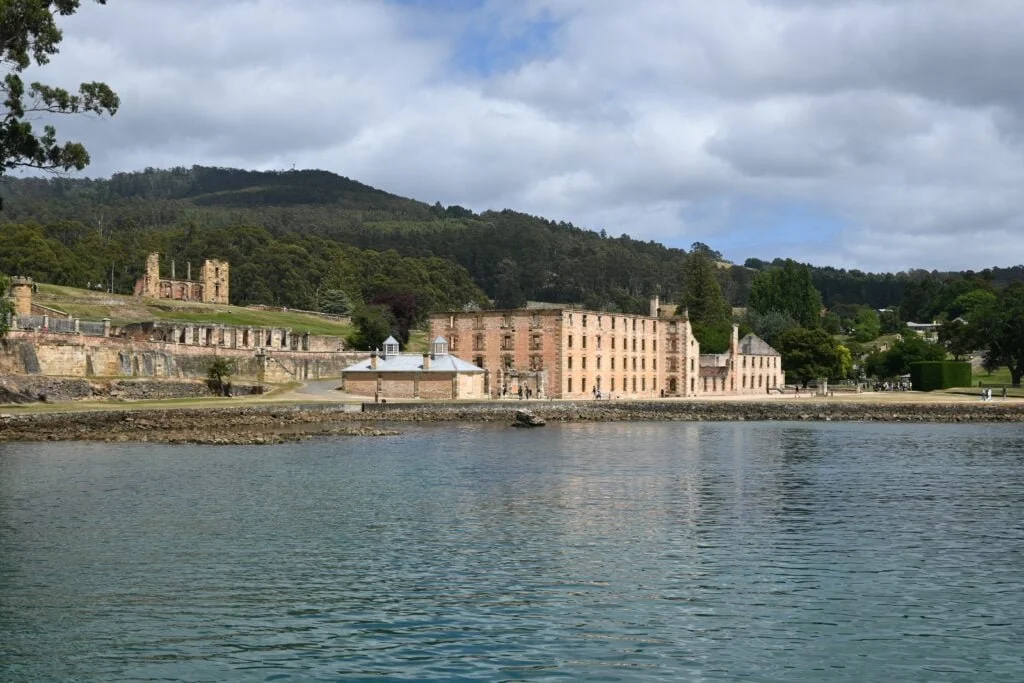
Why Port Arthur Works
Port Arthur is one of Australia’s most visited heritage attractions, drawing over 300,000 visitors annually (pre‑COVID), with strong domestic and international appeal.
What sets Port Arthur apart is not scale, but storytelling depth:
Stories focus on individual lives, not abstract punishment
Interpretation includes prisoners, guards, families, and children
Visitors are invited to reflect on justice, reform, and human rights
According to UNESCO, Port Arthur is part of the Australian Convict Sites World Heritage listing, recognised for its global significance in illustrating forced migration and penal systems.
Economic and Experience Impact
Heritage tourists stay longer and spend more than average leisure visitors (OECD Tourism and Culture Report).
Port Arthur supports local accommodation, tours, restaurants, and transport across the Tasman Peninsula.
What Operators Can Learn
Depth beats spectacle: immersive interpretation creates emotional impact
Use real names, letters, and artefacts to humanise history
Invite visitors to reflect, not just observe
Anchor Example 2:
Cascades Female Factory
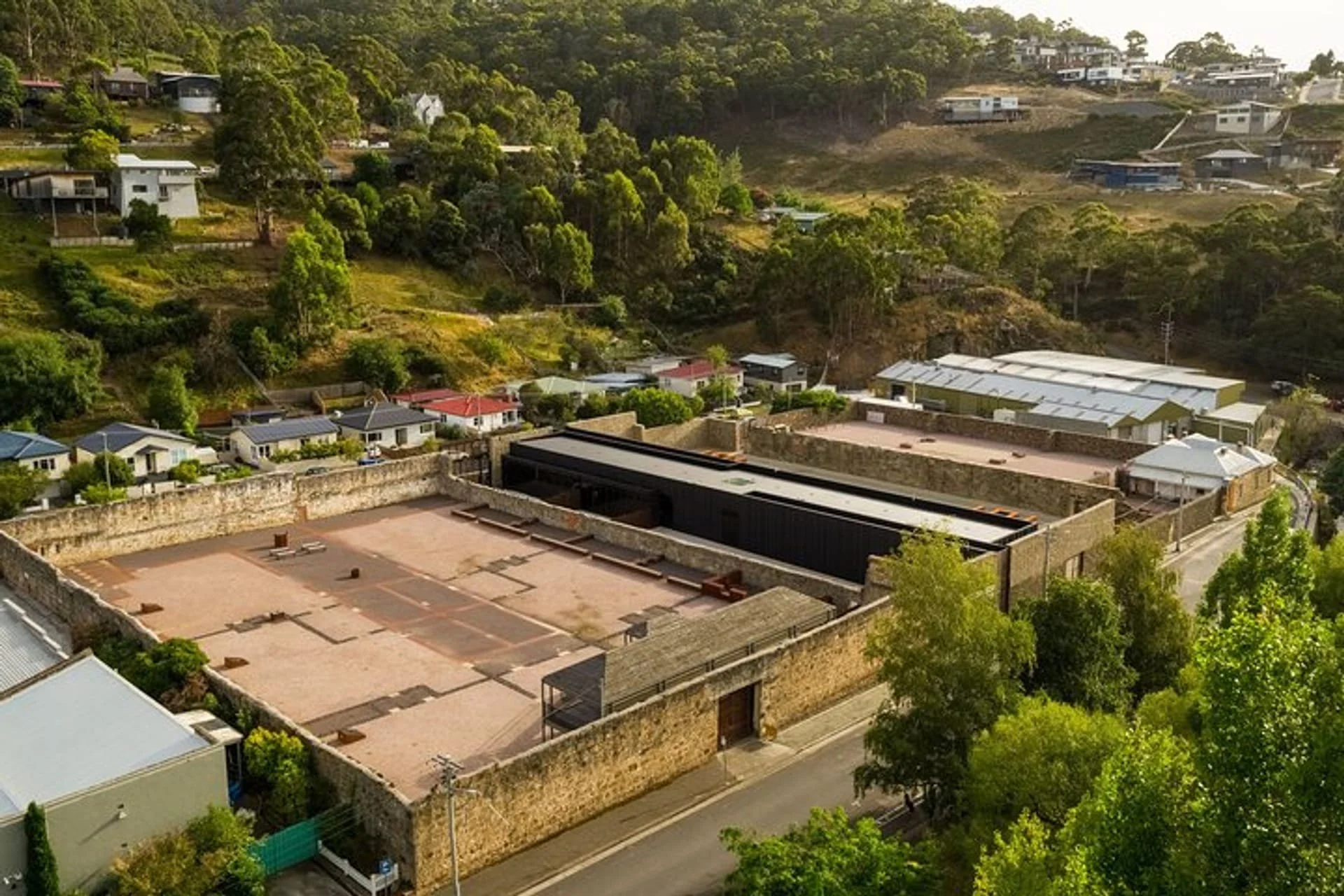
Why This Site Is Powerful
The Cascades Female Factory tells the story of convict women, many imprisoned for poverty‑related crimes and their children.
For decades, these stories were marginalised. Today, the site is internationally recognised for gender‑aware heritage interpretation.
UNESCO highlights the Cascades Female Factory as critical in understanding:
Women’s incarceration
Forced separation of families
Institutional control over female bodies
Visitor Response
Research from heritage interpretation studies shows that visitors remember stories of women and children more vividly, because they provoke empathy and challenge assumptions (ICOMOS).
What Operators Can Learn
Look for untold or under‑told voices in your destination’s history
Inclusion increases relevance for modern audiences
Stories of resilience and survival resonate globally
Layered Storytelling: History + Landscape + Emotion
Tasmania excels at layering experiences, rather than isolating history in museums.
At sites like Port Arthur:
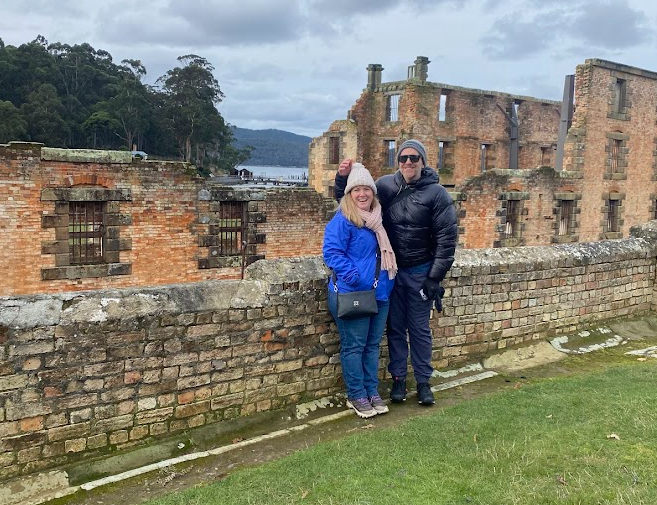
Harsh architecture contrasts with beautiful coastal scenery
Visitors experience silence, weather, and isolation
Nature becomes part of the narrative, not a backdrop
This aligns with global experience‑design research showing that multi‑sensory environments significantly increase emotional recall and satisfaction.
From Education to Transformation
Tasmania positions its penal history not as a lesson in shame, but as a mirror for modern society.
Visitors are encouraged to ask:
How do we define justice today?
Who gets written out of history?
What can we learn from past systems of power and control?
This is the essence of transformational tourism travel that changes how people think, not just what they know.
The Transformational Travel Council notes that experiences prompting reflection and dialogue generate stronger word‑of‑mouth, repeat visitation, and advocacy.
Marketing Strategy: From “Dark” to Deeply Human
Tasmania’s marketing does not sensationalise suffering. Instead, it focuses on:
Truthful storytelling
Respectful tone
Connection to place and people
Tourism Tasmania’s content positions history as:
Part of a broader cultural identity
A reason to slow down and engage deeply
An experience worth travelling for, not just passing through
This approach aligns with Tourism Australia research showing that cultural authenticity and storytelling are key drivers for high‑yield travellers.
Global Relevance: How Other Destinations Can Apply This Model
Destinations around the world with complex histories can adapt Tasmania’s approach:
Examples with Similar Potential
South Africa: Apartheid museums and township experiences
Ireland: Famine, migration, and rebellion sites
Cambodia: Khmer Rouge history interpreted with care
Vietnam: War history contextualised for learning and reconciliation
Key Principles to Replicate
Acknowledge the full story
Avoid sanitising or sensationalising the past.Humanise history
Focus on individuals, not just events.Layer experiences
Combine history with landscape, culture, food, or art.Design for reflection
Build moments of pause, silence, and contemplation.Position history as relevant today
Help visitors connect past systems to present values.
Why This Works Economically
Heritage and cultural tourists:
Stay longer
Spend more
Travel year‑round
Are more likely to recommend destinations
According to the OECD, cultural tourism can generate up to 40 percent higher per‑visitor spend when experiences are well interpreted and emotionally engaging.
Tasmania’s penal heritage supports regional dispersal, sustains year‑round visitation, and strengthens the state’s premium cultural brand.
My Final Insight
Tasmania proves that difficult history is not a liability, it is an opportunity.
When handled with respect, care, and strong storytelling, harsh histories can become:
Powerful visitor drawcards
Sources of pride and understanding
Foundations for transformational tourism
This is not about celebrating the past, it’s about learning from it.
Want to Apply This Approach in Your Destination?
I work with tourism operators and destinations globally to:
Identify under‑utilised heritage assets
Design emotionally engaging, responsible experiences
Transform history into high‑value tourism products
If you’re ready to turn your destination’s complex stories into meaningful visitor experiences: