Case Study: Off‑Season, On‑Brand
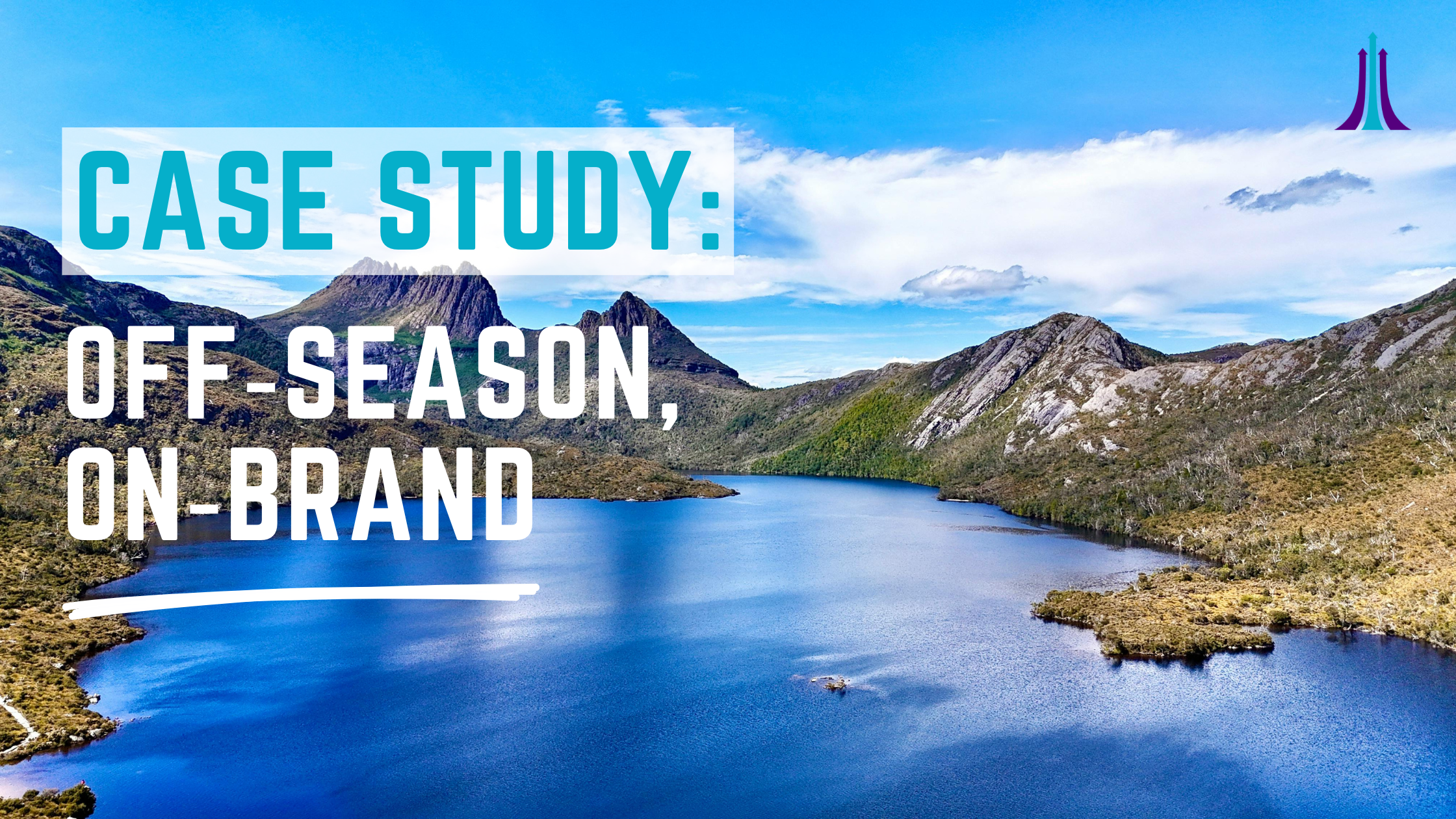
How Tasmania Turned Winter into a Winning Season for Tourism
Purpose of This Case Study
This case study examines how Tasmania successfully transformed winter from a traditional low‑demand period into one of its most distinctive and commercially valuable seasons through the Off Season campaign.
Rather than trying to “fix” winter, Tasmania embraced it, reframing cold, darkness, and wild weather as desirable, emotional, and immersive travel experiences. The result was increased visitation, stronger brand differentiation, and a replicable model for destinations worldwide facing seasonality challenges.
The Problem Tasmania Faced
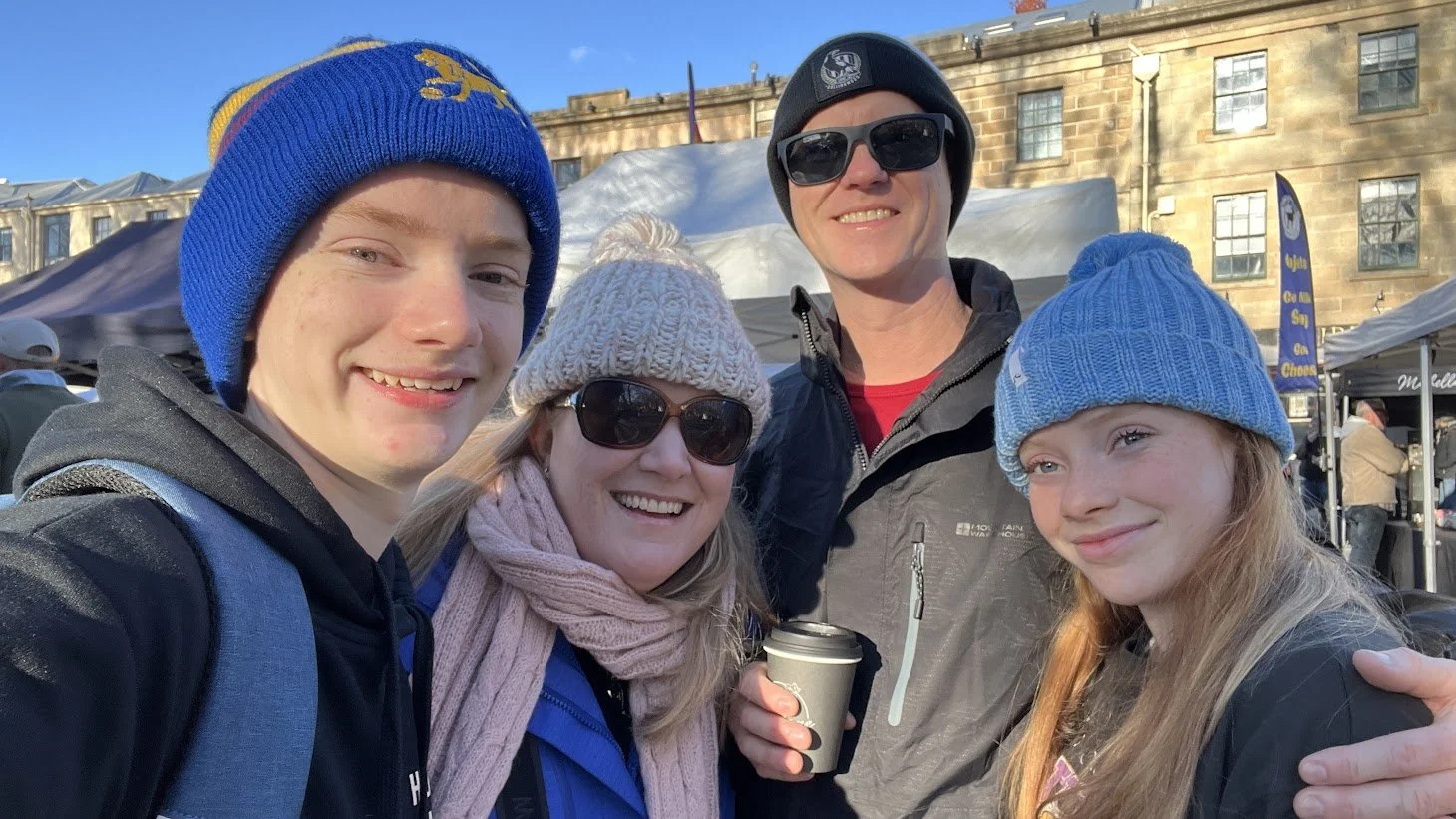
Before the Off Season strategy, winter in Tasmania suffered from:
Lower visitation and shorter stays
Reduced occupancy across accommodation and experiences
Limited reasons to travel beyond price‑driven deals
This challenge is common globally. According to the OECD, seasonality remains one of the biggest threats to tourism business sustainability, leading to:
Underutilised infrastructure
Workforce instability
Lower profitability for operators
(Source: OECD Tourism Trends and Policies)
The Strategic Insight: Stop Fighting the Season
Tasmania’s breakthrough insight was simple but powerful:
Winter was not the problem. Perception was.
Rather than copying summer messaging or discounting heavily, Tourism Tasmania focused on emotional repositioning.
Research from Tourism Australia’s Future of Demand shows that high‑value travellers are motivated by:
Mood and emotion
Contrast to everyday life
Unique sensory experiences
Winter, when framed correctly, offered all three.
https://www.tourism.australia.com/en/insights/consumer-research/future-of-demand.html
The Off Season Campaign: Strategy Overview
Website: https://www.discovertasmania.com.au/off-season/
The Off Season campaign positioned winter as:
Moody, atmospheric, and indulgent
Intimate and reflective
Designed for slow travel, food, culture, and connection
Key creative pillars included:
Fire + snow
Dark + cosy
Wild nature + refined indulgence
This was not mass tourism messaging, it was selective, emotional, and brand‑led.
Key Element 1: Emotionally Intelligent Marketing
What Tasmania Did
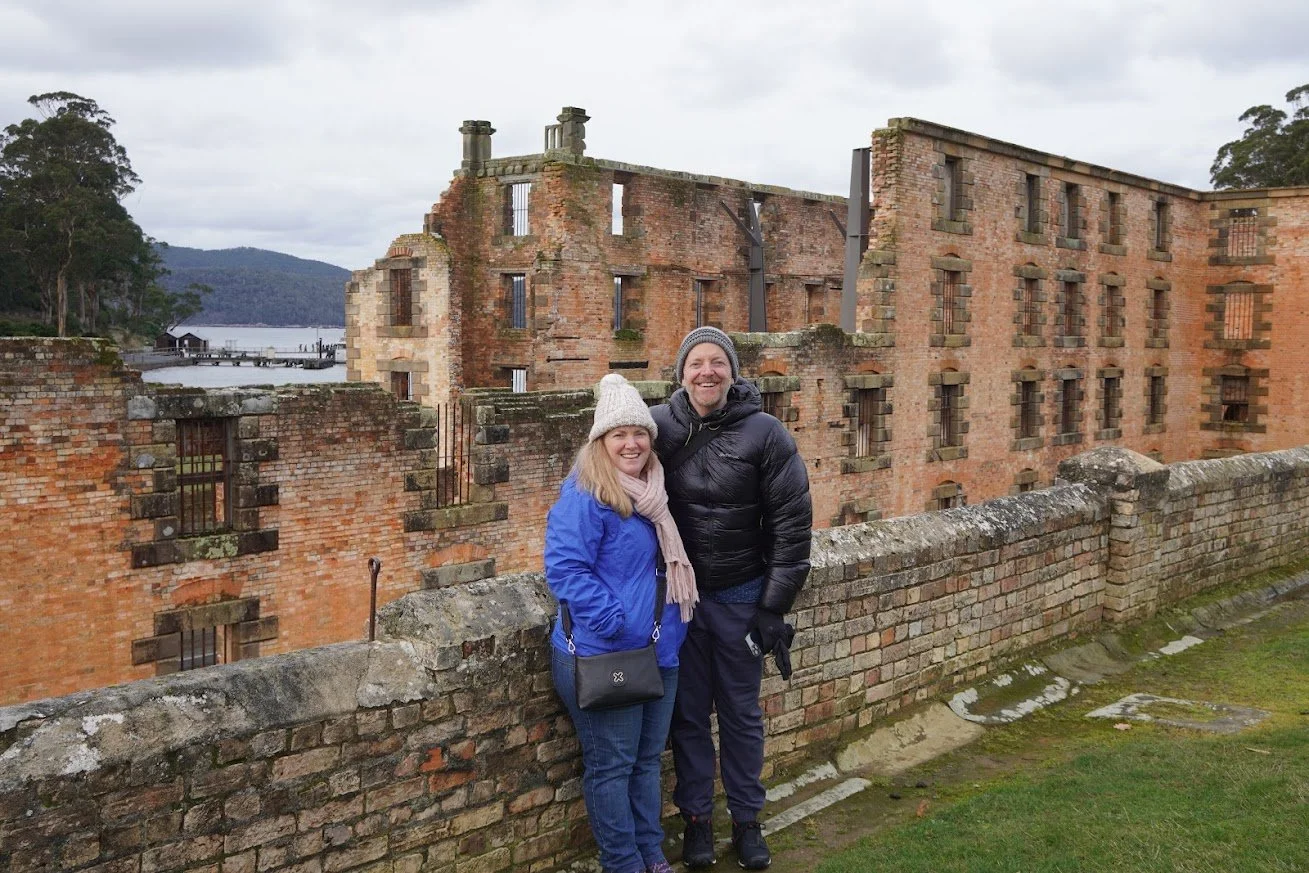
Instead of traditional attraction‑based advertising, Tasmania used:
Cinematic imagery
Sparse copy
Sensory language (dark, cold, quiet, warm, rich)
Campaign storytelling focused on how winter feels, not what you “do”.
Why It Worked
Neuroscience‑based tourism research shows that emotion precedes decision‑making. Travellers remember feelings far longer than facts.
According to the Transformational Travel Council, experiences that create emotional contrast are more likely to:
Be shared
Be remembered
Command higher value
https://www.transformational.travel/
What Destinations Can Replicate
Identify the dominant emotion of your low season
Lean into it, rather than masking it
Market mood before itinerary
Key Element 2: Amplifying Contrast, Not Comfort
Tasmania leaned heavily into contrast:
Ice‑cold swims followed by hot saunas
Snowy hikes ending in roaring fires
Dark nights paired with candlelit dining
This approach mirrors global winter success stories in:
Scandinavia
Japan’s onsen regions
Alpine Europe
Contrast is a proven driver of experiential intensity, which increases perceived value.
Key Element 3: Leveraging Local Creativity & Culture
Flagship Example:
Dark Mofo
Website: https://darkmofo.net.au/
Dark Mofo became the cultural anchor of Tasmania’s winter.
Midwinter festival celebrating darkness, art, fire, and ritual
Draws tens of thousands of visitors annually
Generates significant media coverage domestically and internationally
Events like Dark Mofo:
Give travellers a reason to come now, not later
Anchor itineraries and increase length of stay
Support accommodation, dining, and transport operators
What Destinations Can Replicate
You do not need Dark Mofo‑scale budgets.
Instead:
Create a signature winter moment or ritual
Build around local culture, music, food, or art
Design events that only make sense in that season
Key Element 4: Food, Fire & Indulgence
Tasmania positioned winter as the season of indulgence:
Long lunches
Fire‑side dining
Whisky, wine, and slow‑cooked local produce
Cold weather naturally aligns with:
Higher food and beverage spend
Longer dining experiences
Premium positioning
According to tourism spend data, winter travellers who travel for food and culture typically:
Spend more per night
Travel without children
Stay longer
(Source: Tourism Research Australia)
Key Element 5: Industry‑Wide Collaboration
The Off Season campaign worked because operators were invited in, not left behind.
Accommodation, experiences, and events aligned their offers to the winter narrative:
Cosy cabins and fireplaces
Winter‑only menus and packages
Sauna and hot‑tub experiences
Snow‑based walks and photography tours
This created:
Bookable winter product
Consistent messaging across the destination
Stronger commercial outcomes for operators
What Destinations Can Replicate
Create a seasonal framework, not just a campaign
Encourage operators to adapt products, not discount
Reward alignment with exposure and promotion
Measurable Outcomes
While exact year‑on‑year figures vary, Tourism Tasmania reported:
Strong growth in winter visitation post‑campaign
Increased awareness of winter as a desirable travel time
Improved industry confidence in off‑season trading
More importantly, winter became on‑brand, not a compromise.
Global Relevance: Who This Model Works For
This approach is ideal for destinations with:
Cold, dark, wet, or extreme seasons
Shoulder periods with low yield
Strong food, culture, or nature assets
Applicable regions include:
South Island New Zealand
Scotland and Ireland
Canada’s regional destinations
Nordic countries
Hot desert destinations reframing summer
The principle is universal: embrace what others avoid.
How Destinations Can Build Their Own “Off Season”
Step‑by‑Step Framework
Identify the dominant seasonal emotion
Define your contrast (heat vs cold, light vs dark, quiet vs busy)
Create or anchor an event or ritual
Align food, accommodation, and experiences
Market mood, not discounts
Make it bookable
Final Insight
Tasmania did not make winter popular by pretending it was summer.
It succeeded by:
Owning winter unapologetically
Designing emotionally resonant experiences
Aligning industry around a clear narrative
This is the future of seasonal tourism: on‑brand, intentional, and experiential.
Want to Apply This Strategy in Your Destination?
I help tourism operators, regions, and destinations:
Reposition low or shoulder seasons
Develop emotionally compelling tourism strategies
Create bookable experiences that drive yield, not just volume