How “Trump Tower” could damage the Gold Coast tourism brand
The Gold Coast brand has always been one of Australia’s strongest: sunshine, beaches, fun, entertainment, big energy.
That reputation is commercial gold, it drives desire, reduces perceived risk, and makes it easier for visitors to say “yes” quickly.
So when a proposed development comes along that doesn’t just add rooms, but adds a globally polarising name to the destination narrative, it’s worth asking a tough question:
Could “Trump Tower” do brand damage to the Gold Coast?
The context: what’s being proposed
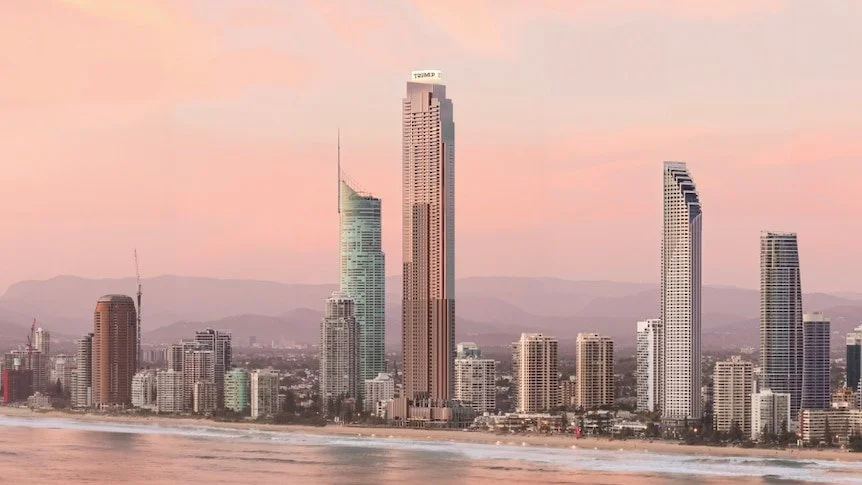
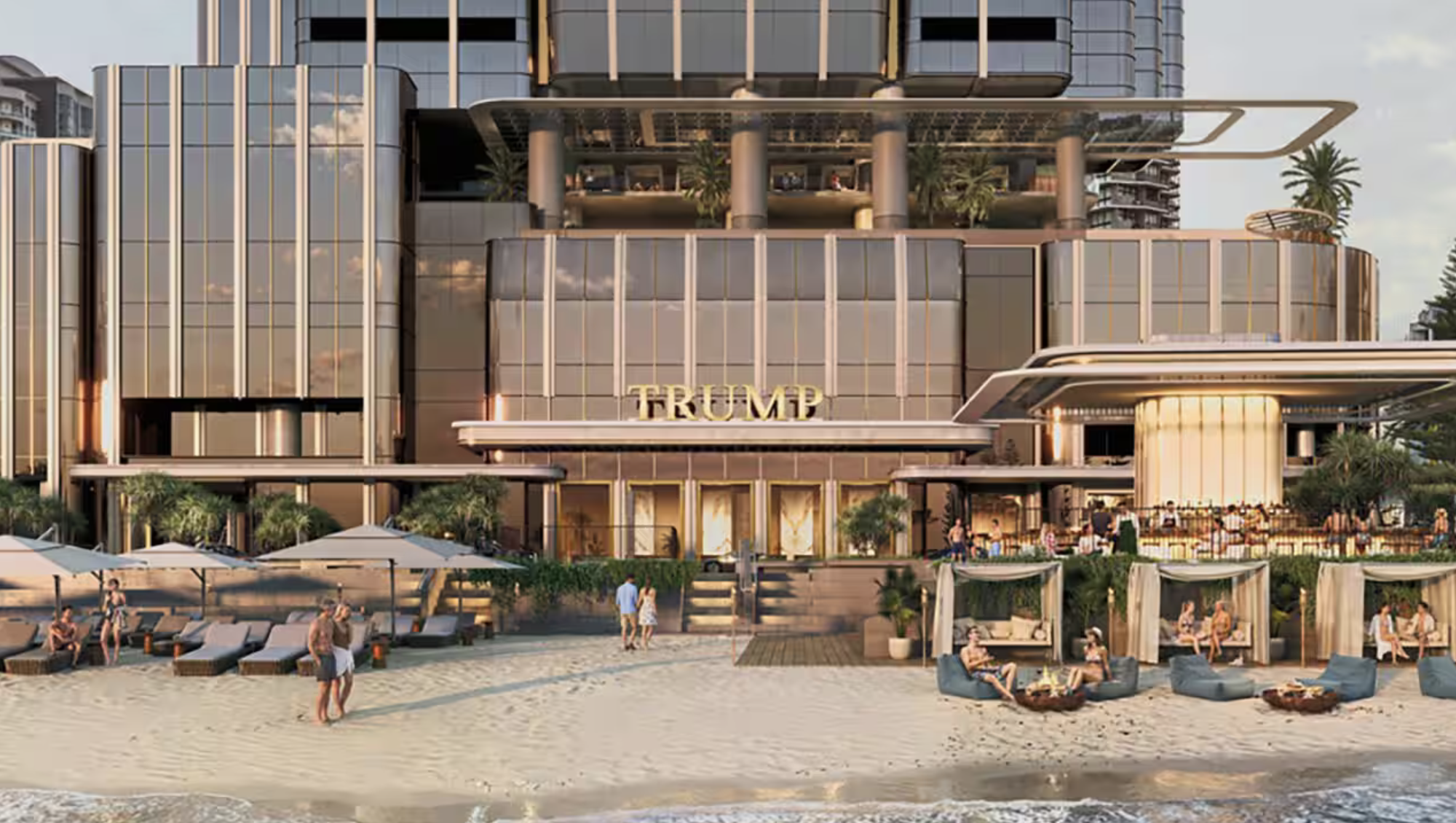
Multiple outlets report plans for a Trump International Hotel & Tower Gold Coast at Surfers Paradise, a roughly 91-storey luxury hotel-and-residential tower, with high-end retail, dining and lifestyle inclusions, positioned as a landmark project and potentially Australia’s tallest.
Source: The Guardian
Whether it proceeds through approvals or not, the brand conversation has already started and in tourism, perception often travels faster than planning applications.
Why brand association matters in tourism
Tourism brands are different to product brands.
A product brand can segment: “Not for everyone.”
A destination brand must stay broad enough to keep demand flowing from many markets: families, couples, events, schools, international travellers, corporate groups, cruise, leisure and more.
And names carry “borrowed meaning”.
That’s the risk here: the Gold Coast doesn’t just inherit a building name, it can inherit the global emotional baggage attached to that name.
The Trump name is uniquely polarising and legally complicated
When people hear “Trump”, they don’t think “a hotel operator”. They think “the President of the United States.”
Most of us do these days.
Trump’s legal history is widely documented: he was charged/indicted in multiple criminal matters from 2023 onward, and there have been major ongoing civil and criminal proceedings and appeals around his business empire and conduct. (Encyclopedia Britannica)
It’s also true that some federal prosecutions were dropped/paused after his re-election, reflecting longstanding U.S. Justice Department policy against prosecuting a sitting president. (AP News)
From a destination-brand perspective, the nuance doesn’t always matter, headlines do.
In visitors’ minds, this name can trigger reactions like:
“I don’t want to support that.”
“This place is becoming that kind of destination.”
“I don’t want my brand/event associated with that.”
I did an interview on radio earlier this week about this topic and in the approx 2 minutes I had on air did not allow the time or the depth of discussion around this topic. It was a sound bite, nothing more.
6 ways the Gold Coast brand could be damaged

1) It risks politicising a leisure destination
Most travellers don’t want politics in their holiday. A tower with a political lightning-rod name can drag the destination into debates it didn’t ask for especially online, where tourism decisions are shaped by sentiment and identity.
2) It could alienate high-value segments
Some of the most profitable market segments; events, corporate incentives, education groups, high-spend leisure are brand-sensitive. If planners worry about backlash, they’ll quietly shortlist elsewhere even if the Gold Coast is otherwise perfect.
3) It may create an “attention trap” for the destination story
The Gold Coast has been building broader credibility across nature, dining, wellness, and premium experiences but global media may default to a single narrative: “Trump Tower on the Gold Coast.” That can crowd out everything else.
4) It can distort the destination’s intended positioning
If the Gold Coast wants to lift yield and reputation, the question becomes: does this brand help the “premium” story or turn it into spectacle?
Luxury isn’t just height and marble. It’s taste, trust, service, sustainability, design, and social permission.
5) It amplifies reputational risk for operators
Every operator becomes adjacent to the destination headline. You might be selling hinterland wellness retreats, Indigenous experiences, eco tours, or family attractions, yet the destination label can get pulled into controversy you can’t control.
6) It could conflict with modern traveller expectations
Traveller expectations have shifted toward values-led choices sustainability, community impact, authenticity. When a destination becomes associated with a polarising political brand, it can create friction with that direction and friction costs bookings.
What this means for Gold Coast tourism businesses
If the conversation continues even before approvals, operators need to be ready with a proactive brand stance:
Double down on what the destination wants to be famous for beyond the building.
Strengthen your own business brand so you’re not relying on “Gold Coast” alone to do the heavy lifting.
Create campaigns that keep the destination story anchored in experiences: nature, food, culture, family, wellness, events not controversy.
And for destination and visitor economy leaders: this is a reminder that big developments are not only infrastructure decisions, they’re brand decisions.
The Bottom Line
A Trump branded tower might generate global attention, but attention isn’t automatically positive in tourism.
If the Gold Coast becomes associated with a name tied; rightly or wrongly to criminal charges, legal controversy, and deep political division, the destination risks losing what makes it commercially powerful: broad appeal and emotional ease.
And that can quietly erode demand over time, one traveller, one event planner, one distribution partner at a time.
They are the considerations for destinations.