Case Study: Arizona’s Tourism Appeal; Turning Natural Beauty Into Transformational Experiences
As a tourism operator who’s built, scaled and sold multiple award-winning attractions in some of Australia’s most iconic landscapes, I’ve always had a deep appreciation for how a place transforms people.
Arizona is one of those rare destinations that knows how to turn its natural landmarks into more than just a photo stop.
It creates moments of awe, identity, connection, the kind of moments travellers share, seek out, and remember for life.
Let’s explore what makes three of Arizona’s top attractions so effective and how you can draw inspiration to craft powerful, transformational experiences in your own backyard.
Horseshoe Bend: Where Nature Captures the Soul (and the Selfie)
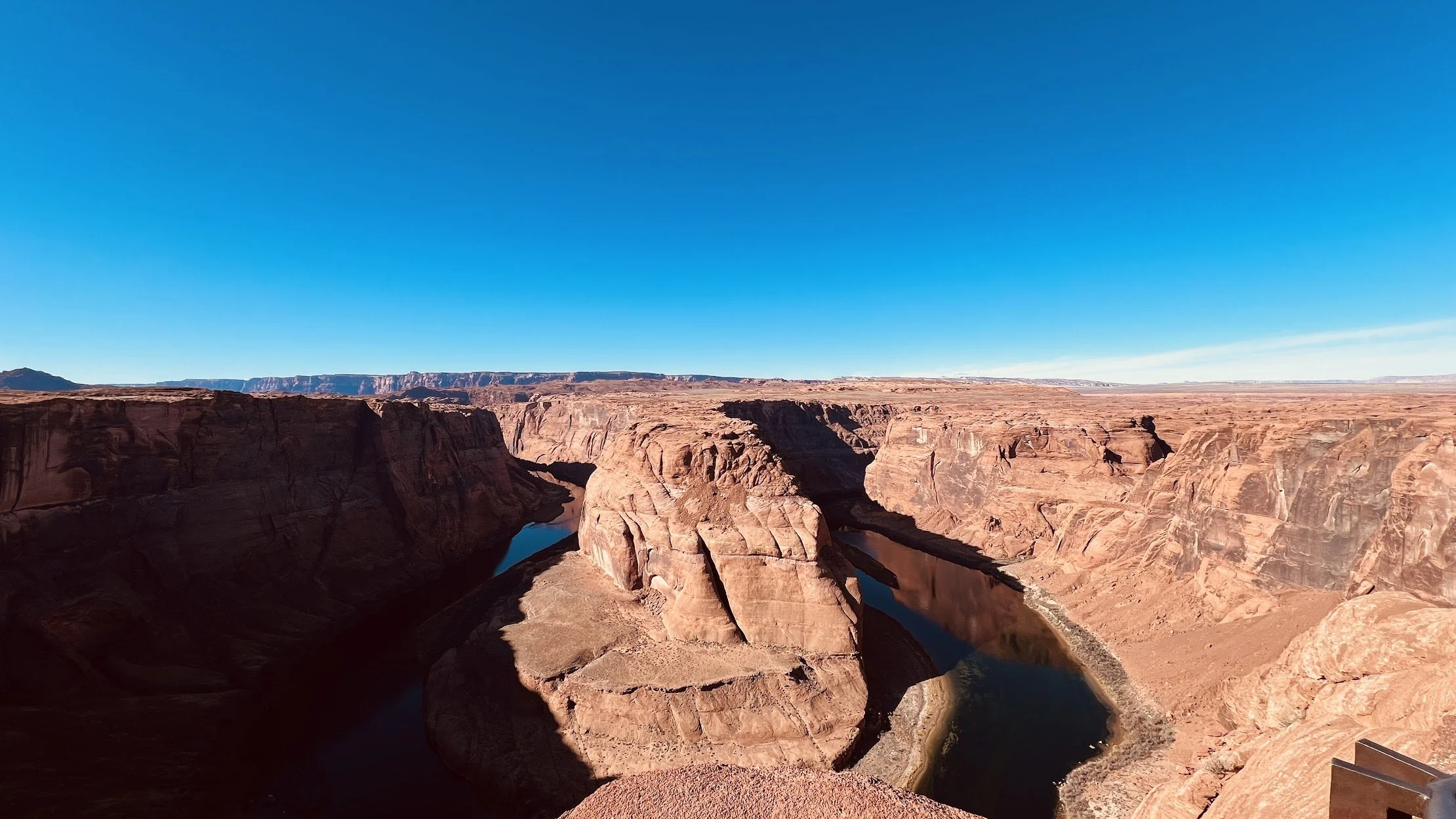
Perched high above a 300-metre drop into the Colorado River, Horseshoe Bend is more than a scenic lookout, I would say it’s a visceral experience.
You stand on the edge of a horseshoe-shaped canyon carved over millennia, where the river’s emerald waters wrap around red-rock cliffs like a painter’s brushstroke.
It’s the kind of view that doesn’t just fill your camera roll, it quiets your mind.
This location has become a bucket-list destination for Gen Z and Millennial travellers, drawn to the stunning visuals they’ve seen on TikTok and Instagram. But more than just a photo opportunity, it’s a place of scale, silence, and perspective exactly what this generation craves in a world that often feels too fast, too noisy, and too artificial.
Operators nearby have responded with:
Guided photography tours that teach composition and storytelling.
Sunrise and sunset viewings that feel sacred.
Eco-education tours that deepen awareness of fragile desert ecosystems.
Australian Parallel: Think about the serenity of Nitmiluk Gorge, or the grandeur of the Grampians. These are not just beautiful, they’re spiritual.
Can your guests feel that story in the way you present them?
💡 My advice: Don’t just sell a view. Sell the emotion of standing there.
Learn more about how emotion drives modern travel via the Transformational Travel Council and Tourism and Events Queensland’s Transformational Experience Guide .
Forrest Gump Point – The Power of Pop Culture and Place
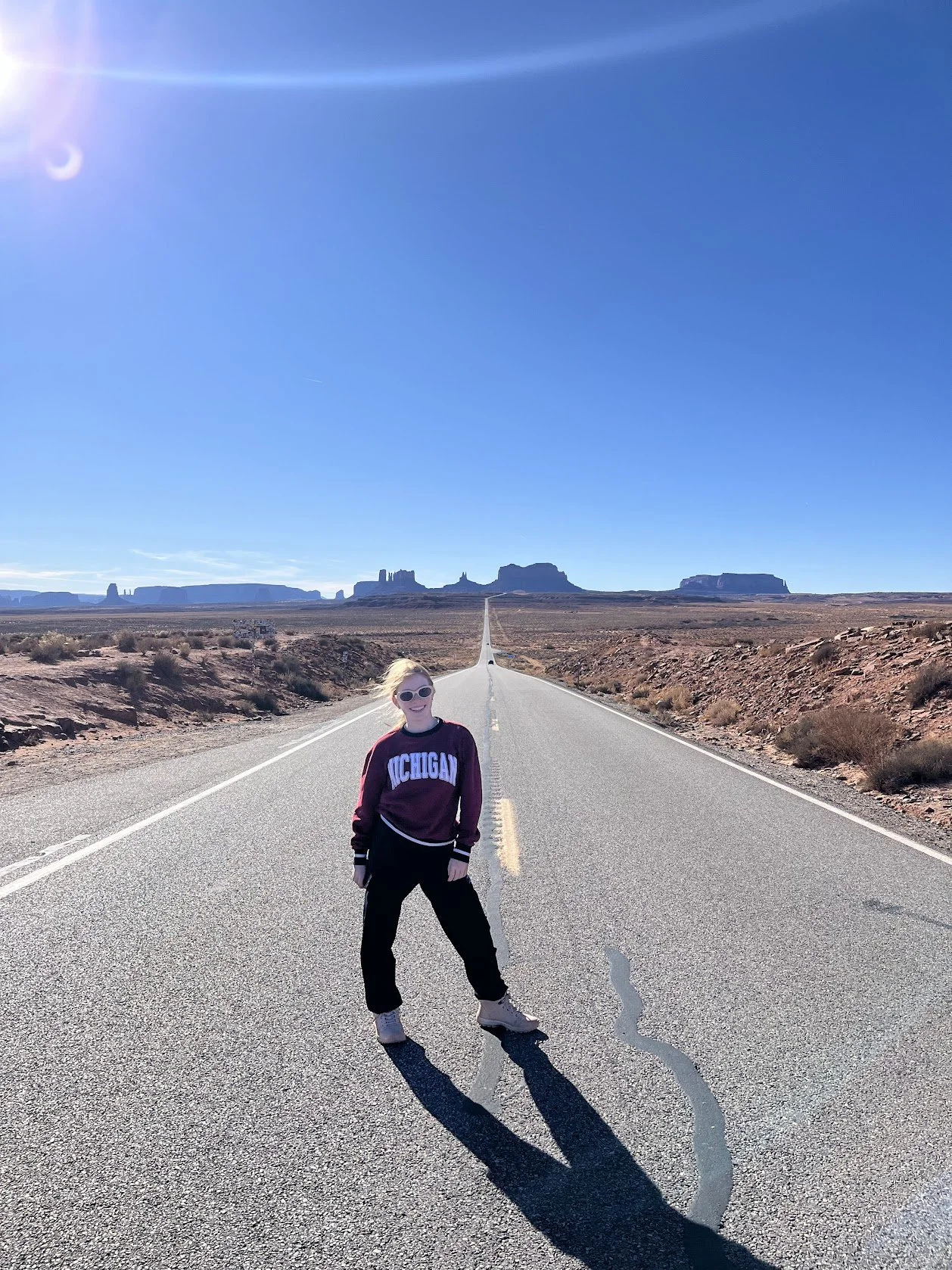
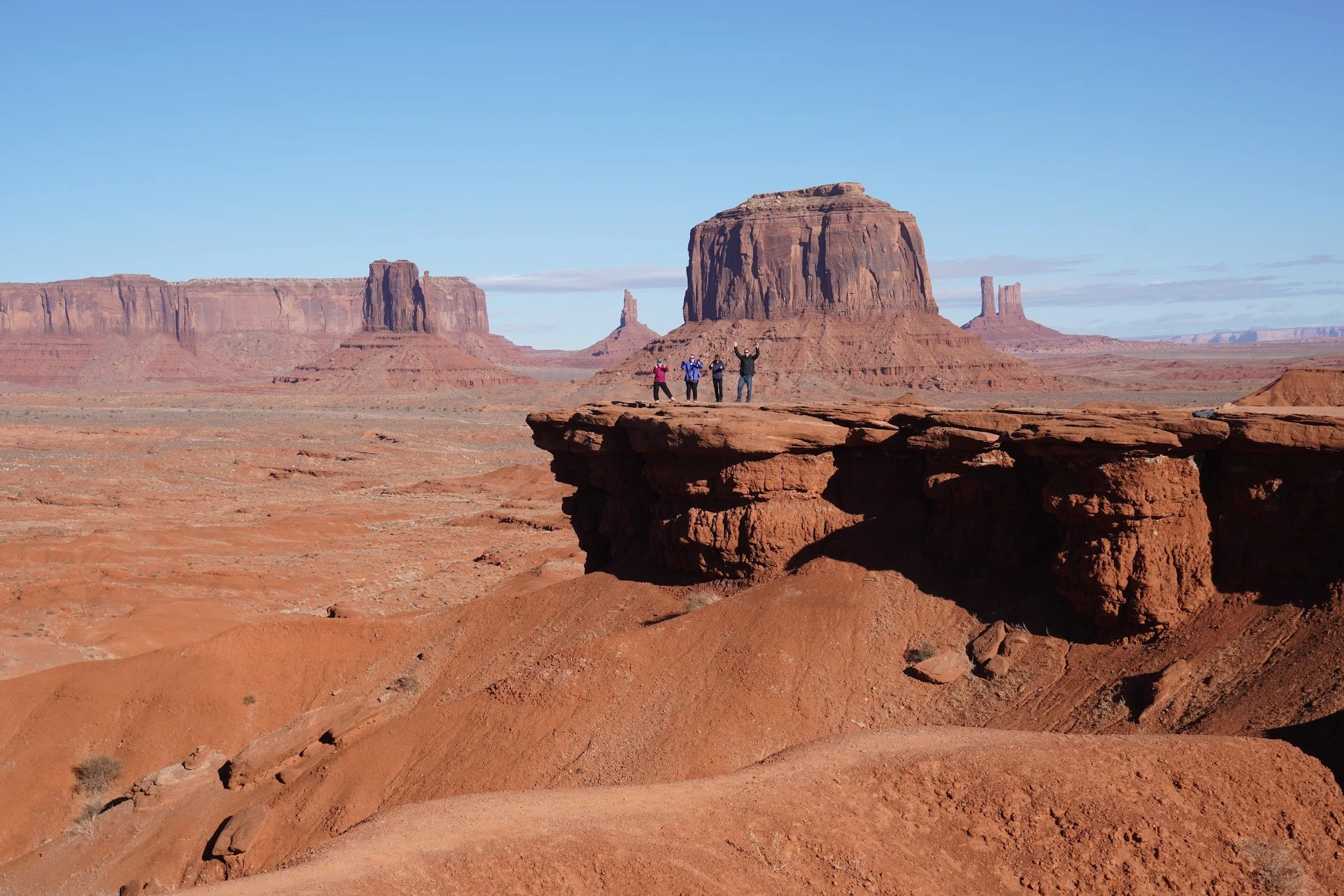
On an unassuming stretch of Highway 163, with Monument Valley’s sandstone buttes rising in the background, you’ll find Forrest Gump Point.
It’s where Tom Hanks’ character famously stopped running and unknowingly created one of cinema’s most iconic travel scenes.
But what makes this location truly special is not just the film. It’s the sense of emptiness and endlessness.
The road stretches straight into the horizon, framed by burnt-orange and the kind of open skies you only get in the desert. There’s something cinematic, almost spiritual, about being in that moment as if you are the main character now.
Young travellers come here to:
Recreate the movie moment, yes.
But also to express freedom, reinvention, and movement themes that resonate deeply with the 18–30 audience.
Australian Parallel: Picture the Snowy Mountains road leading to Charlotte Pass, or the winding Great Ocean Road with the Apostles fading in the distance. Are we using storytelling and cinematic angles to sell these experiences?
Tip: Use film, reels and drone footage to anchor your place in story. The camera doesn’t just see what’s there, it sees what’s possible.
Explore destination storytelling as a tourism tool in the ATEC Australian Tourism Toolkit .
The Grand Canyon – Epic, Emotional, and Endlessly Layered
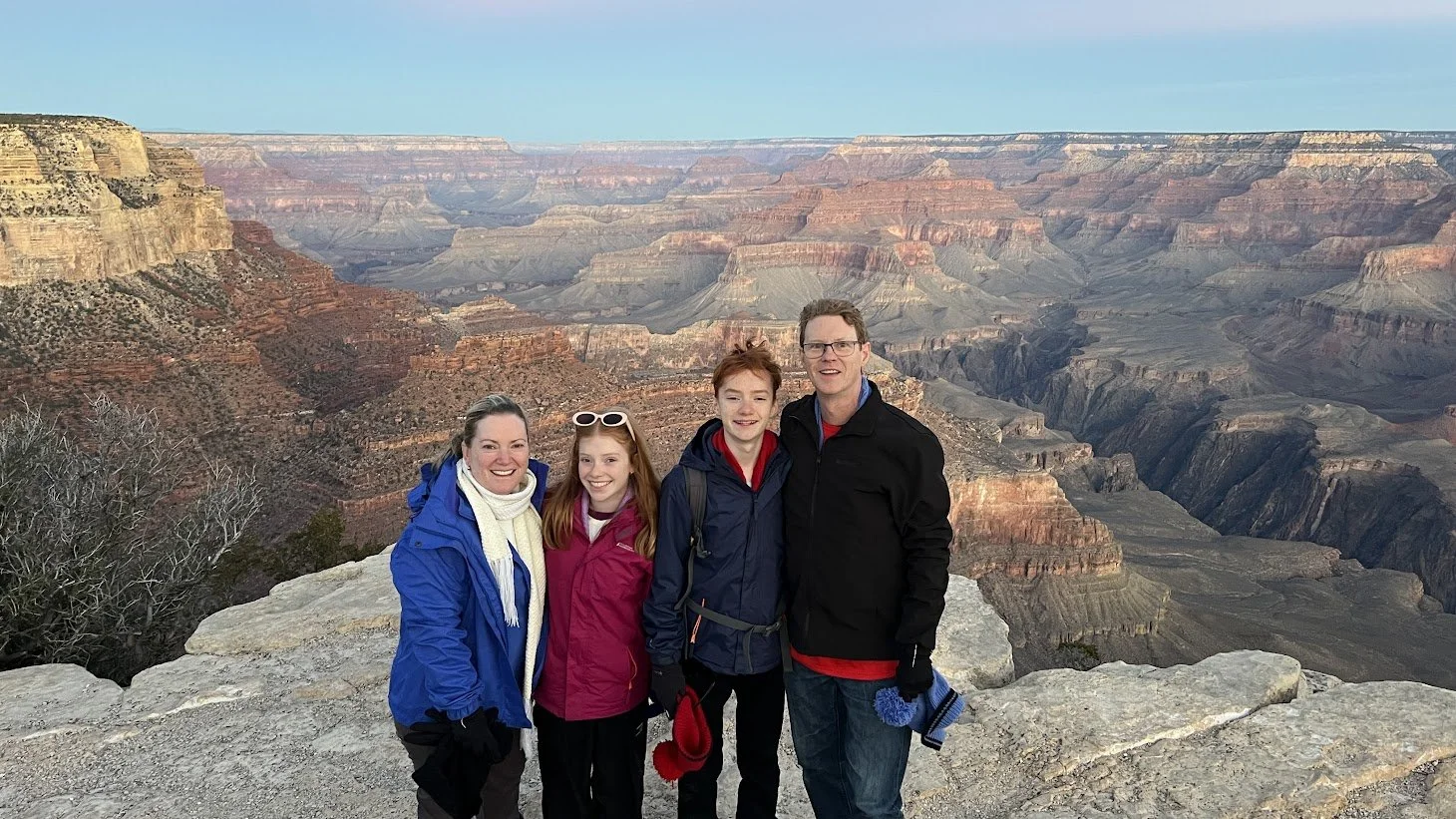
There’s no overstating it, after 3 visits the Grand Canyon is one of the most profound landscapes on earth. And moves my soul on every visit.
A kilometre deep, 445km long, and 6 million years in the making, it’s a cathedral of stone that dwarfs everything else in its presence.
But here’s what makes it relevant to the 18–30 market: it’s not just big, it’s raw and real.
This is a place where:
Travellers challenge themselves physically through multi-day hikes, white-water rafting, or canyon climbing.
They engage in Indigenous-led storytelling tours that connect them to the cultural and spiritual heritage of the land.
They stay in eco-lodges or glamp under the stars, grounding themselves in the environment.
It’s a prime example of adventure, immersion, and sustainability coming together.
Australian Parallel: Think about the Kimberley’s layered rock faces, Tasmania’s Cradle Mountain-Lake St Clair walks, or the Flinders Ranges’ geological story. These are equally grand — but are we creating the kind of guided, purposeful immersion that turns “cool” into “life-changing”?
Reference: TheFuture of Demand research shows that adventure, learning, and transformation are all rising motivators for the global travel audience .
My Final Word: Crafting Place into Purpose
Here’s the truth I’ve learned through over 20 years in tourism, people don’t travel for attractions. They travel for connection, identity, and meaning.
Arizona’s success is not just because of what it has. It’s because of how it tells the story of its land with reverence, drama, and personality.
You have that in Australia. Every regional operator does. The question is: are you packaging it for today’s traveller?
Your Action Item
If you’re feeling overwhelmed by the thought of turning your landscapes into transformational products, you don’t have to do it alone.
Book a free 15-minute strategy call with me, and we’ll chat about how to:
Identify the emotional value in your experience.
Package it for the youth and adventure market.
Use content, story and digital strategy to increase bookings.
Let’s turn your location into a legend.