Case Study: Creating a Transformational Legacy — The September 11 Memorial & Museum
As someone who’s worked in tourism for over 20 years across everything from attractions and experiences to crisis recovery, I’ve seen how the best tourism products do far more than entertain.
They create connection, emotion, and even healing.
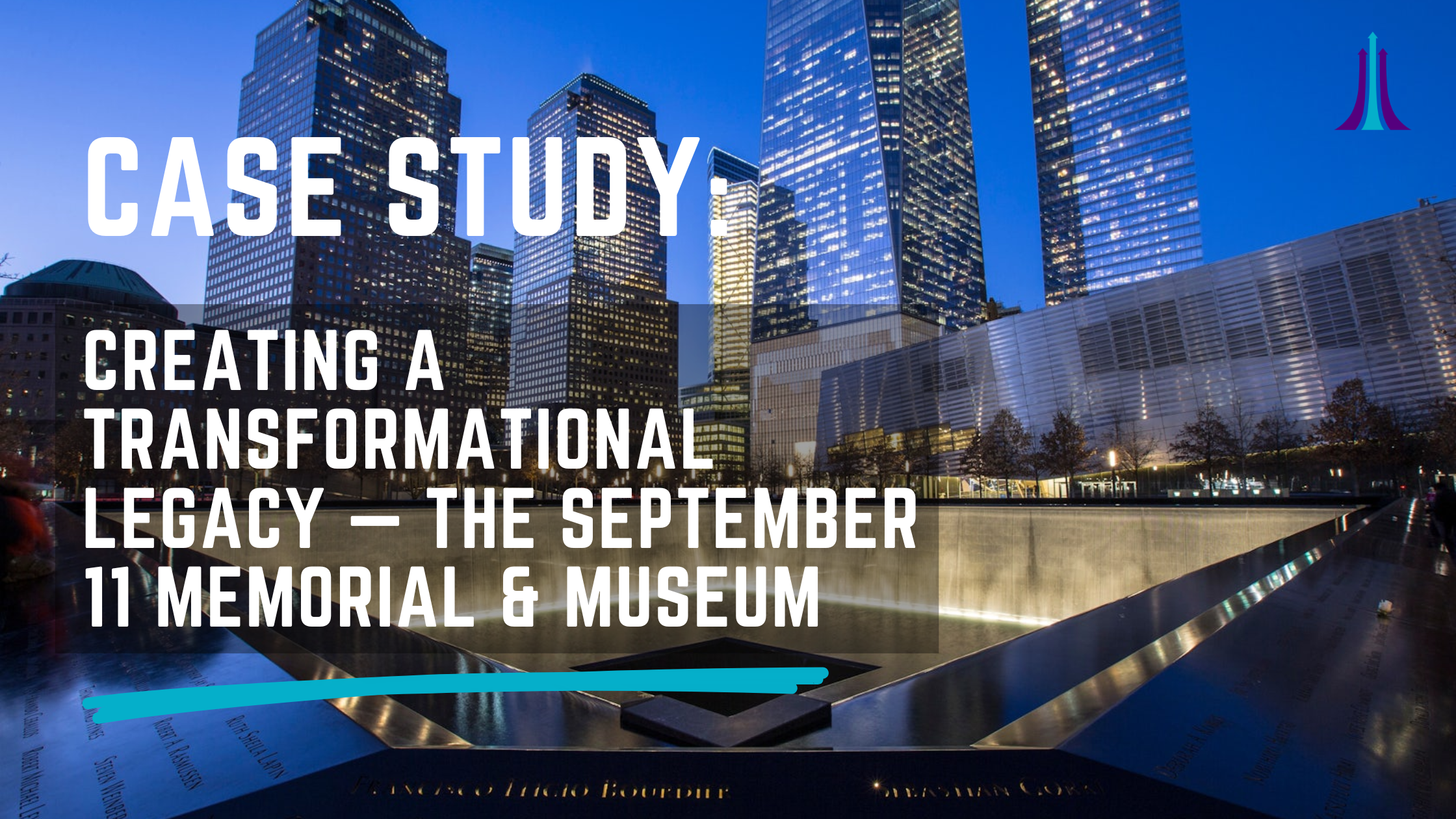
That’s exactly what the National September 11 Memorial & Museum in New York City does.
This is more than a memorial, it’s a masterclass in storytelling, transformation, and tourism with purpose.
It honours a global tragedy in a way that unites people, inspires resilience, and leaves visitors changed.
Let me show you why it matters, why I had to see it for myself and what we, as tourism operators, can learn.
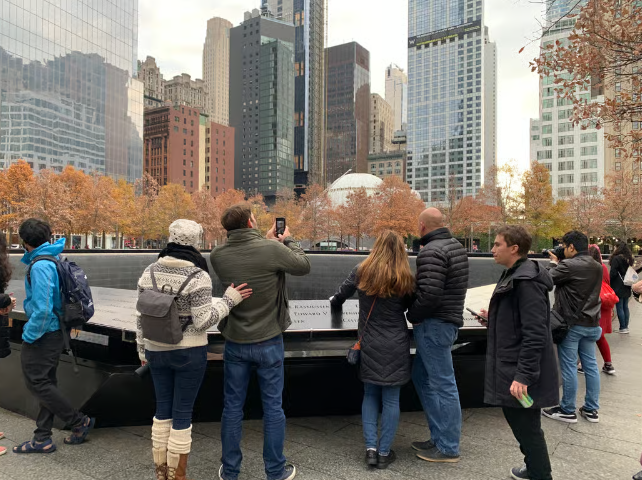
Why This Memorial Matters
On 11 September 2001, the world changed. It’s a moment in time that everyone remembers where they were.
I was in Cairns on my honeymoon.
Terrorist attacks on the World Trade Center took the lives of nearly 3,000 people and left an emotional wound that still resonates globally.
New York City’s response; to create a place of remembrance, reflection, and resilience that became not just a national landmark, but a symbol of how tourism and memorialisation can be transformational.
Learn more at the official 9/11 Memorial & Museum website
Vision, Space and Emotional Architecture
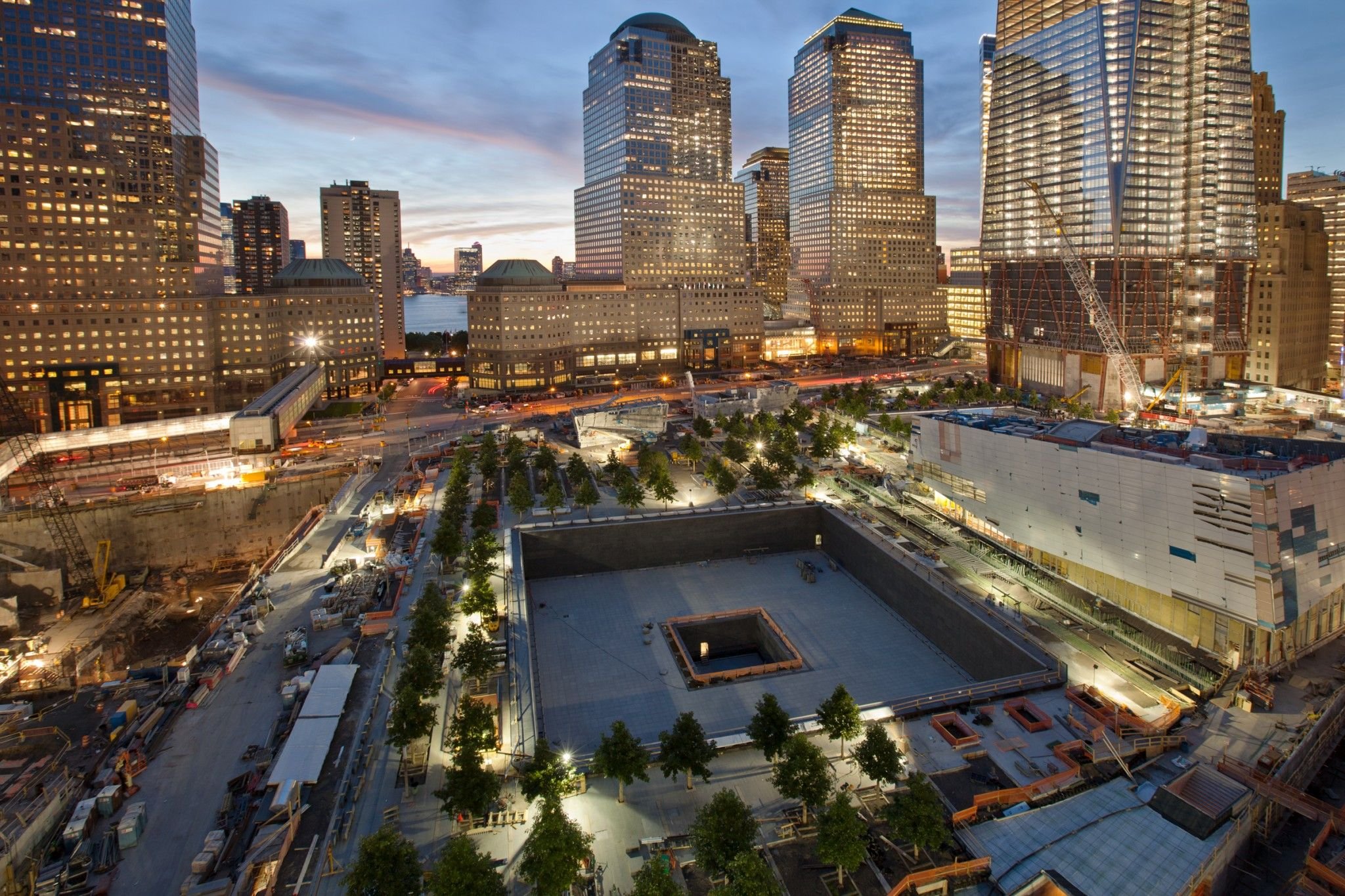
Located at Ground Zero, the National September 11 Memorial & Museum was designed to help visitors not only understand the events of that day, but to feel them.
The masterplan, Reflecting Absence, by architects Michael Arad and Peter Walker, creates a powerful emotional narrative through space, water, light, and sound.
The Memorial Pools; Stillness Meets Scale
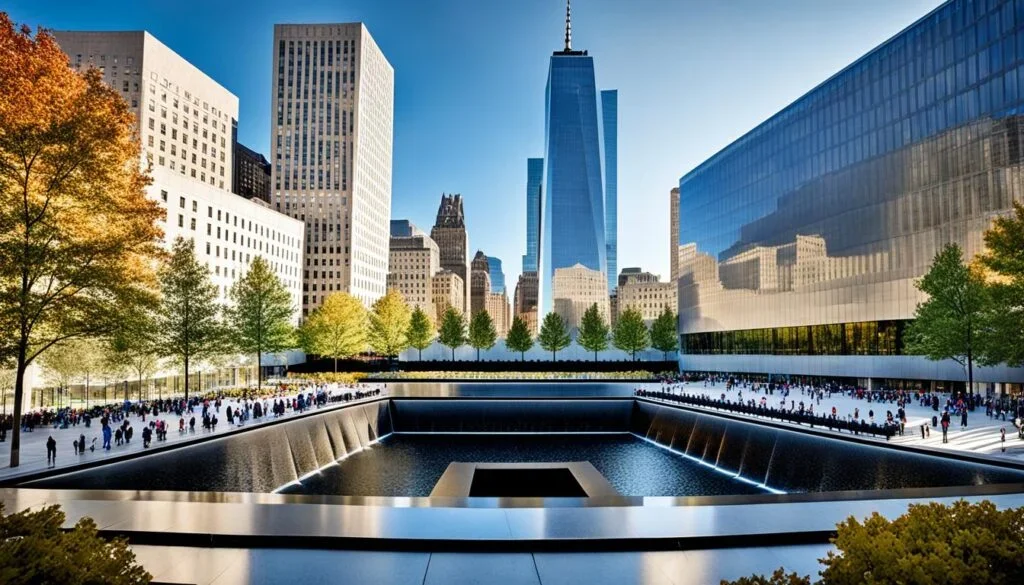
Two vast pools now sit in the footprints of the Twin Towers.
Water cascades into a deep central void, a haunting symbol of absence and grief. Bronze low walls surround the pools and are inscribed with the names of every person killed in the 2001 and 1993 attacks, grouped by relationships and connections.
From a tourism perspective, this is emotional design done right. It turns a space of loss into a space of quiet dignity and reflection.
“Standing there, you don’t feel like a tourist. You feel like a witness. That’s the difference.” Sarah Colgate
The Museum is Where History Becomes Human
Beneath the memorial is a museum that doesn’t just document history, it humanises it.
Exhibits That Speak
The museum houses over 70,000 artefacts, from pieces of the steel frame to mangled fire trucks and items from victims’ pockets.
One of the most moving elements for me was listening to voicemails from people trapped in the towers and on the flights knowing there was no tomorrow for them. It’s gut-wrenching.
But it’s also a reminder of why experiential storytelling matters.
The museum’s Digital Exhibitions offer a preview of these powerful collections.
Multimedia Storytelling
The use of video, sound, and interactive elements makes the museum accessible and compelling, especially for younger visitors.
And let’s be honest: the 18–30 market is deeply moved by authentic stories told in human voices. This is where educational tourism becomes transformational tourism.
Fostering Global Unity
What I love most about this site is that it’s not just about the past it’s about building a better future.
Each year, millions visit from over 175 countries, including world leaders, school groups, and travellers who were children in 2001. There’s an emphasis on:
Community resilience
Peace-building
Shared humanity
This isn’t about grief tourism, it’s about remembrance with purpose. That’s the difference.
UNESCO also outlines how memorial sites can promote peace and education. Learn more via UNESCO’s Heritage of Memory.
The Survivor Tree is A Living Symbol
One of the most powerful symbols onsite is a Callery pear tree that somehow survived the collapse, was rescued from the rubble, nurtured back to life, and now blooms at the memorial plaza.
For many, it’s a metaphor for survival, hope and renewal.
“Every tourism operator has a ‘Survivor Tree’ , something in your story that shows your resilience. Are you telling it?” – Sarah Colgate
Education and Engagement
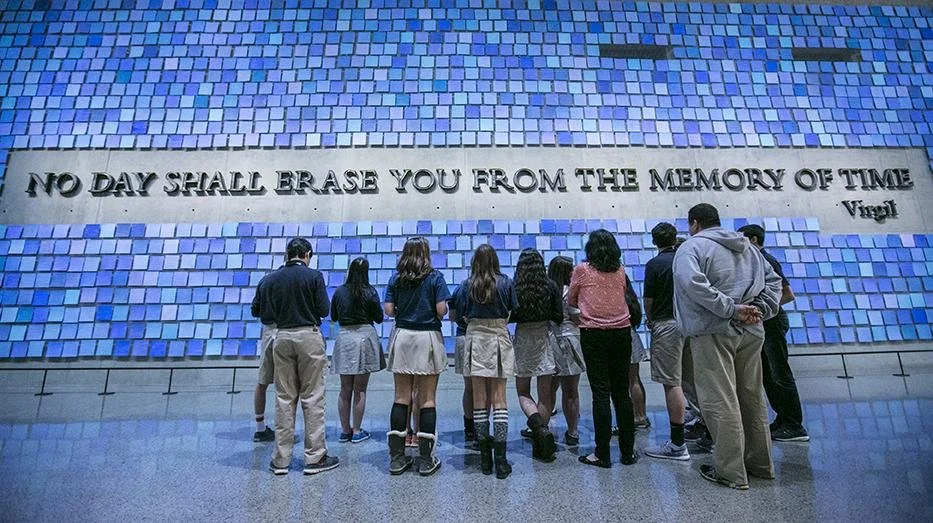
The 9/11 Museum runs brilliant education programs and global outreach.
What’s impressive is how it translates a highly specific event into universal lessons about courage, empathy and justice.
Youth programs: Tailored digital resources and school tours help the next generation understand the event in age-appropriate ways.
Speaker series: Survivors, family members and first responders share personal stories, reinforcing the emotional connection for visitors.
View the museum’s Educational Resources
A Cornerstone of NYC Tourism
With over 4 million annual visitors, the memorial has become a must-see attraction, integrated into most NYC itineraries and for good reason.
Access and Inclusion
Located in Lower Manhattan, it’s easy to reach by subway, bus, or ferry.
The site is inclusive, with multilingual guides, digital accessibility, and sustainable design throughout.
It’s a great example of tourism supporting social good AND economic benefit. Local cafés, hotels, shops, and services have seen a revival. Even better? It brings year-round visitation, helping with low-season resilience.
Check out the NYC Tourism Board for visitor impact data.
Why It’s a Transformational Experience
Let’s be honest: people remember how a place made them feel, not just what they saw.
This is a textbook transformational experience:
It’s deeply personal.
It’s rooted in truth and emotion.
It inspires action; whether that’s kindness, gratitude, or advocacy for peace.
Tourism like this goes beyond memory. It creates meaning.
“Every tourism experience should strive to give guests a ‘moment of truth’. This one gives you many.” – Sarah Colgate
Ongoing Engagement
The memorial is not a one-time visit. Through digital exhibitions, livestreamed events, and social media storytelling, it stays connected to a global audience.
Annual ceremony on 11 September broadcast globally.
Virtual exhibits and 360° tours for those who can’t visit.
Active on social platforms, encouraging user stories, reflections, and remembrance.
Challenges and Innovation
Like any major project, this one faced:
Financial hurdles
Public sensitivity
Design controversies
But by blending public funding, private donations, and ticketed revenue, they’ve created a financially viable model, something many cultural sites can learn from.
They also prioritised:
Sustainability – Over 400 oak trees planted in the plaza.
Inclusivity – Designed for a global audience, accessible to all.
Takeaways for Tourism Operators
Emotional storytelling matters. Always go beyond the “what” to the “why.”
Visitors want connection. Don’t be afraid to show vulnerability in your brand story.
Resilience is magnetic. Show your struggles and how you overcame them.
Memorial tourism isn’t just about the past, it’s about values for the future.
“Every experience that moves someone, inspires someone, or gives them purpose, that’s exceptional. That’s the future of tourism.” – Sarah Colgate
Ready to Build Transformational Experiences in Your Business?
If you’re a tourism operator looking to create experiences that move people, not just attract them, I’d love to help.
Let’s build something that brings meaning to the market — and sales to your business.
👉 Book a 15-minute strategy session with me here
Together, we can turn your story into something truly exceptional.