Case Study: Florida Airboat Tours: A Thrilling Ride with an Eco-Conscious Heart
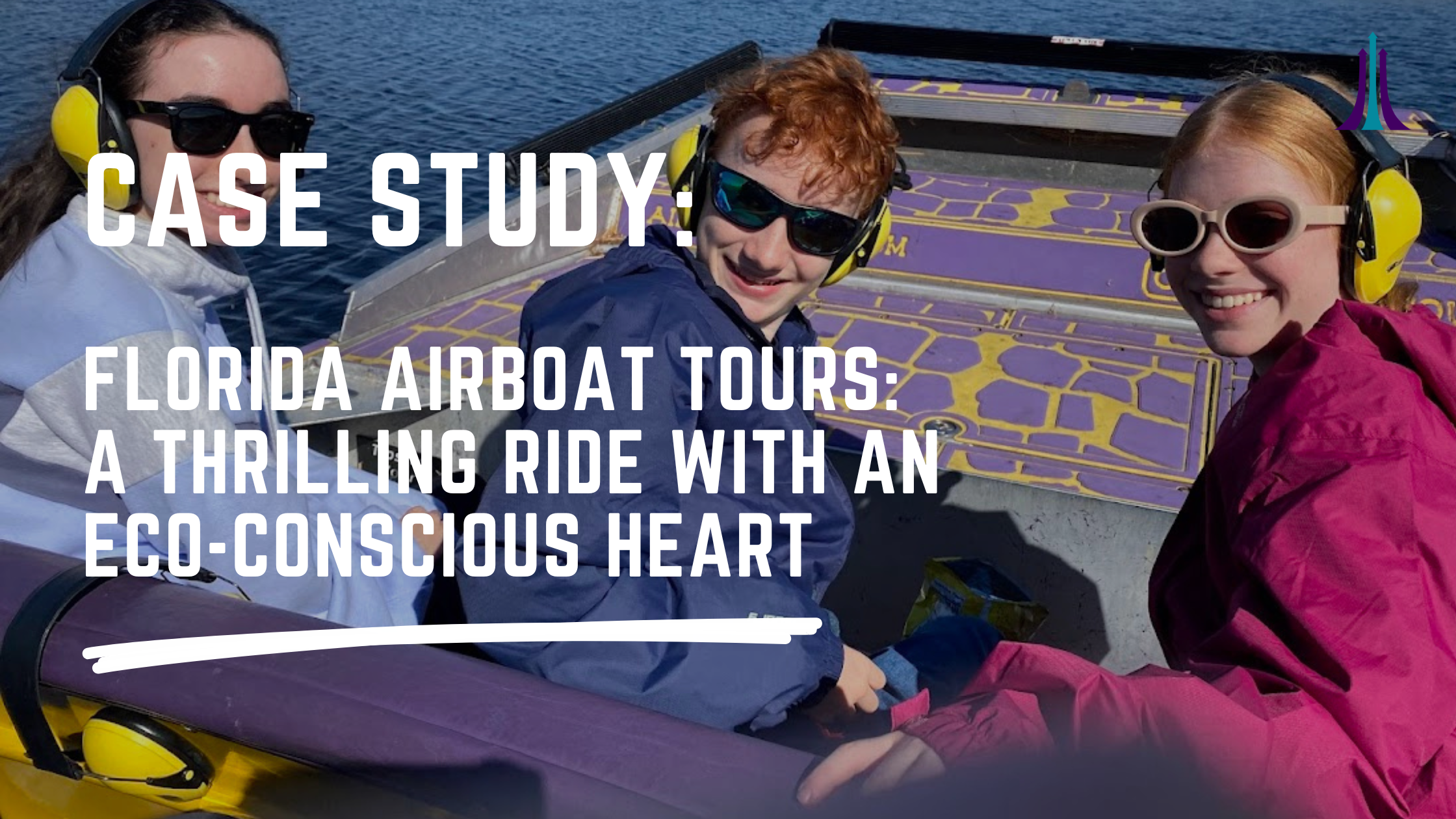
As a former tourism operator, I’ve always believed the best experiences are the ones that entertain, educate and inspire action.
That’s exactly what Florida’s iconic Everglades Airboat Tours deliver, a fast-paced adventure layered with rich environmental storytelling and wildlife education.
Having spent years helping Australian and New Zealand tourism businesses turn good products into exceptional experiences, I see airboat tours in Florida as a prime example of getting the balance right for fun, safety, sustainability, and storytelling.
Let’s explore why these tours are so successful and how you can apply their lessons to your own backyard.
What Is an Airboat Tour? And Why Do People Love It?
Airboat tours in Florida are fast-moving, flat-bottomed boat rides powered by a large fan-like propeller, gliding over shallow wetlands in the Florida Everglades, one of the most unique ecosystems in the world.
These tours give guests a chance to:
Zoom through mangroves and sawgrass marshes
Spot alligators, turtles, invasive pythons, and wading birds
Learn about the fragile wetland ecosystem
Experience a thrill ride that feels like an eco-safari
See what the experience is like: Captain Bill’s Airboat Tours
A Living Classroom with Wildlife and Ecosystem Education
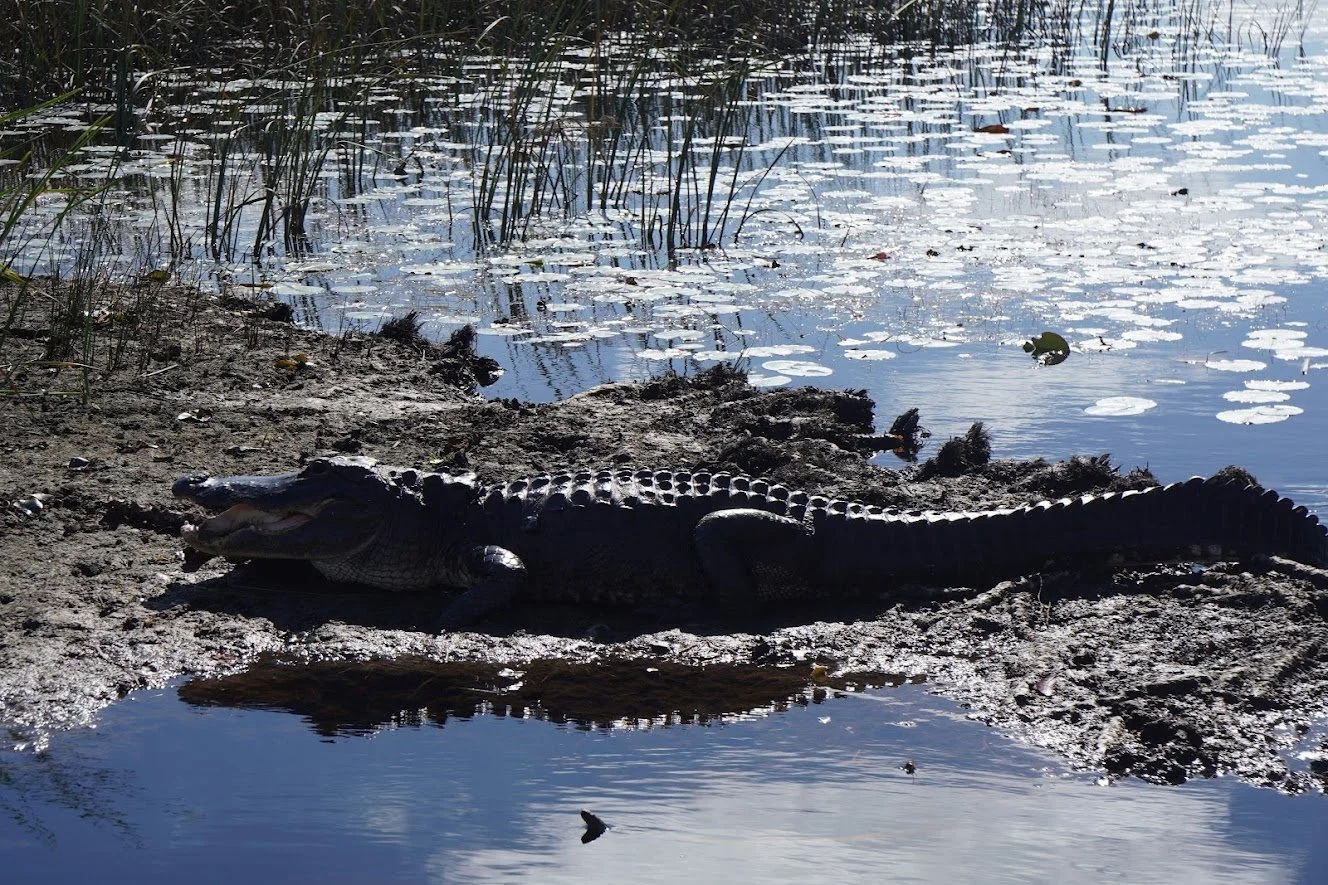
One of the things I absolutely admire about these tours is their dual purpose: adventure + education.
As guests skim across the water, the captain (often a local with decades of lived experience) shares insights about:
Iconic Species
American alligator – the apex predator of the swamp with more than 1.3 million of them in Florida alone
Invasive Burmese pythons – a major ecological threat, with tens of thousands of these massive pythons (90kg and 6m long)
Softshell turtles, gar fish, manatees, and roseate spoonbills
Ecosystem Awareness
Why wetlands are critical for climate regulation, water purification, and biodiversity
The ongoing efforts to manage invasive species and restore balance
The cultural and Indigenous connections to the land
“When a kid leaves the tour knowing the difference between a crocodile and an alligator, or why mangroves matter, I consider that impact.” – Sarah Colgate
This approach aligns with rising traveller demand for purposeful travel and eco-learning. According to Tourism Australia’s Future of Demand Research , nature-based and immersive experiences are among the fastest growing tourism trends globally.
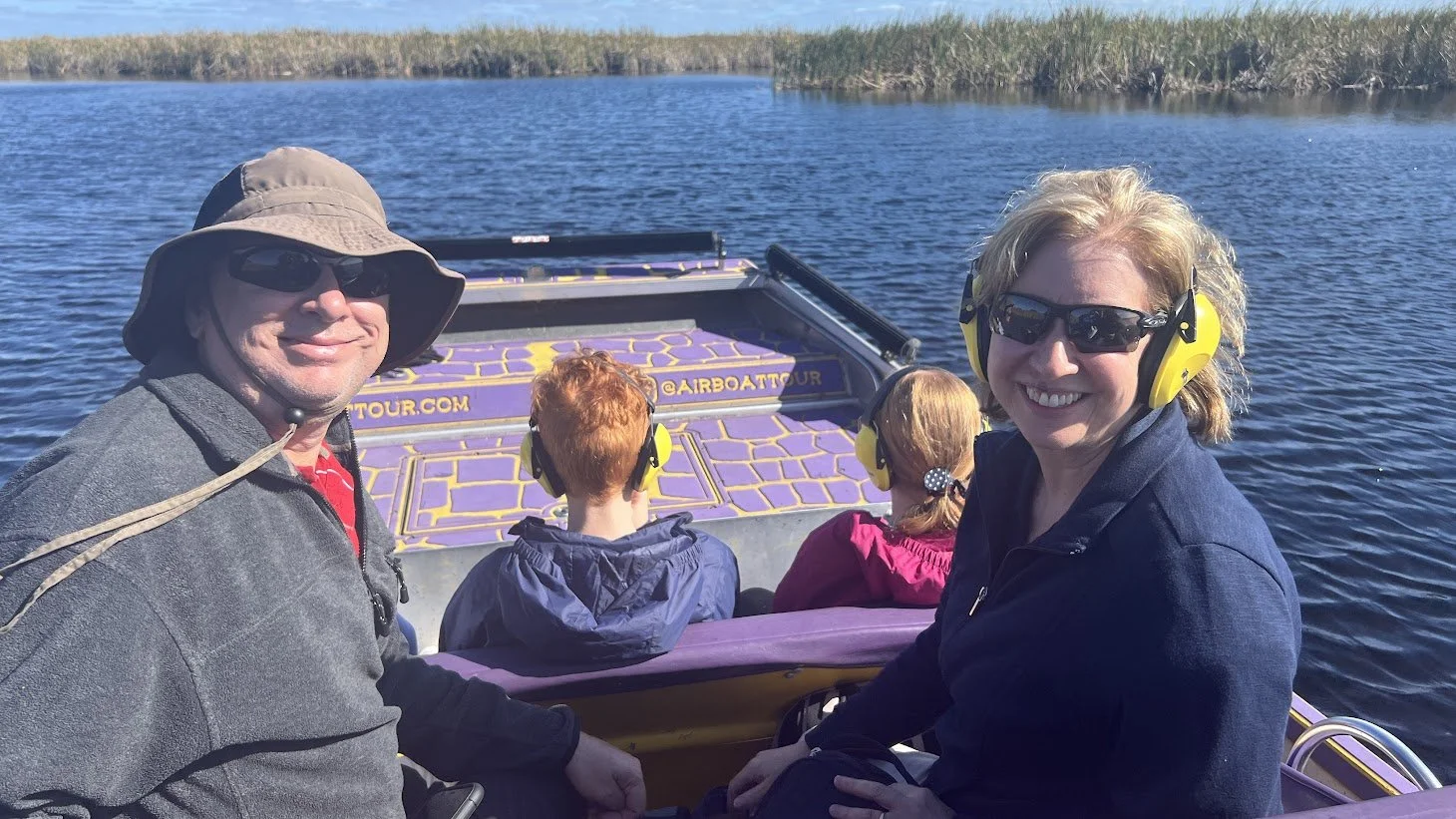
Environmental Best Practices in Action
What’s really clever is how these operators, like Captain Bill, show respect for the environment while delivering excitement.
Low-Impact Touring
Airboats are shallow-draft — ideal for gliding over vegetation without damaging it
Engines are typically idled in sensitive areas, reducing noise and disturbance
Routes are carefully mapped to avoid over-tourism in fragile spots
Wildlife-First Philosophy
No feeding or chasing wildlife
Clear boundaries around nesting zones
Captains are trained in eco-ethics and First Nations storytelling
Learn more about Everglades preservation from Everglades Foundation
Lessons for Australian & New Zealand Operators
Here’s where it gets exciting. We’ve got world-class wilderness in Australia and New Zealand — think:
Coongie Lakes and Cooper Creek
Murray River floodplains
Northland’s dune lakes and Rotorua geothermal wetlands
But are we delivering these places in a way that’s educational, emotional, and exhilarating?
Here’s what we can learn from Florida:
1. Make Education Fun
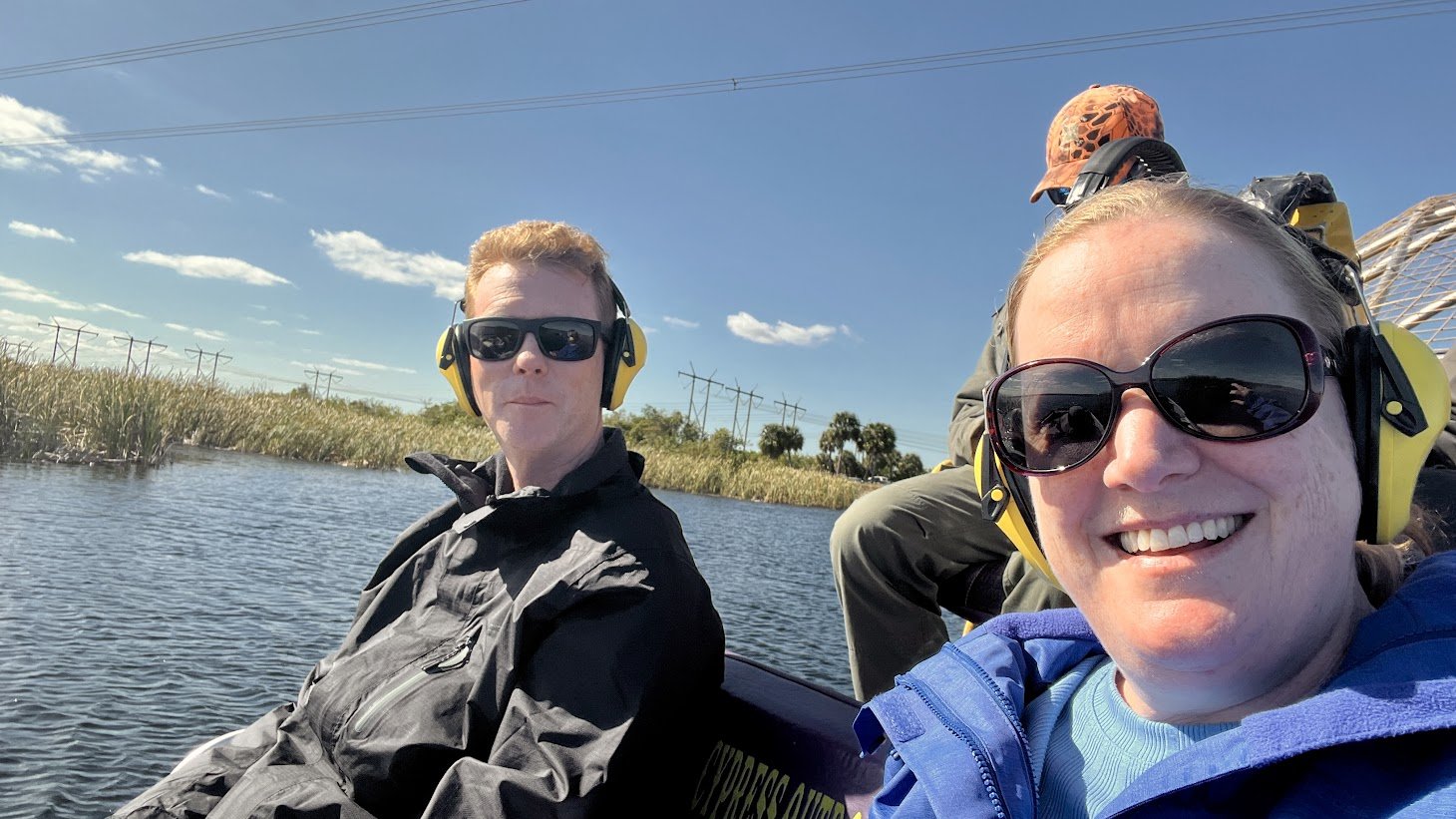
Storytelling is everything. Combine thrill with interpretation. For example:
A crocodile cruise becomes a biodiversity safari
A river tour becomes a climate change classroom
2. Position Your Guides as Local Legends
Just like Captain Bill, who’s a personality in his own right, visitors love authentic connection. Invest in guide training that makes your team not just safe but also memorable.
Look into guide accreditation via EcoTourism Australia
3. Incorporate Citizen Science
Give guests something to contribute. Record turtle sightings, monitor salinity levels, or help identify invasive species. It builds advocacy.
4. Bundle with Culture
Just like the Everglades have deep Indigenous and Cajun heritage, connect your tour to local cultural stories, whether that’s Māori knowledge systems, or Dreamtime stories from Traditional Owners.
Quick Pro Marketing Tips from Sarah
If you want to make your nature-based experience bookable, profitable and shareable, here are some key tips:
Use High-Traffic, High-Intent Keywords
“Eco tours Australia”
“Wildlife boat tours”
“Alligator vs crocodile tours”
“Family-friendly nature adventures”
“Wetlands tours with kids”
Want to be found? Get listed on:
Content Ideas
“5 Surprising Creatures in Our Wetlands”
“Why Wetlands Are Nature’s Superheroes”
“From Fear to Fascination: Why Crocs Deserve Respect”
“Wetlands & Wine – The Eco Experience You Didn’t Know You Needed”
My Final Thoughts
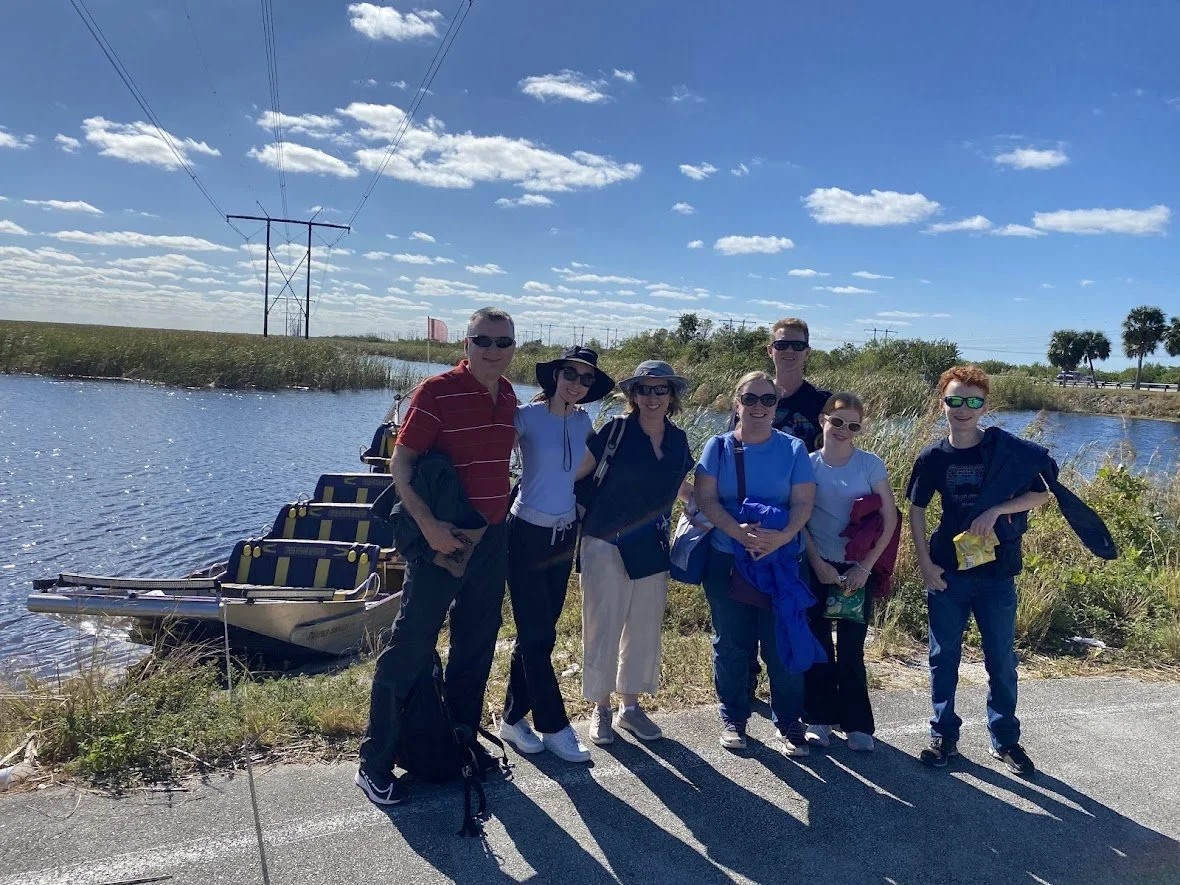
As you can see I loved this experience! If I’ve learnt anything from Captain Bill and Florida’s airboat industry, it’s this:
“You can deliver adrenaline and awareness in the same ride. You just need the right stories, ethics, and energy.”
Australian and NZ operators have stunning assets at their fingertips. The next step is to elevate the experience, embed the education, and engage the emotions.
Ready to Make Your Wildlife or Nature Tour Exceptional?
Let’s turn your nature-based tour into something that excites guests, supports conservation, and sells all year round.
👉 Book your 15-minute strategy session with me here
Together, we’ll build a tourism product that’s as smart as it is sustainable.