Future of Distribution – Market Profiles 2024: Japan

Overview: Why Japan Remains a Strategic Growth Market
Japan has long been one of Australia’s most important inbound tourism markets, particularly for Queensland, New South Wales, and Victoria.
With its proximity, reliable aviation routes, and high-spend visitors, Japan presents a strong opportunity for Australian tourism businesses, especially those offering nature, wellness, culture, and food-based experiences.
The Japanese outbound travel market is cautiously recovering after a long pandemic slowdown. Travel confidence is returning, especially among younger travellers and retirees, with strong interest in international holidays during 2025 and beyond.
This profile offers detailed insights into how Japanese travellers:
Discover and book Australian holidays
Choose accommodation, tours, and experiences
Interact with travel agents and OTAs
Respond to content, brand messaging, and service expectations
Key Insights: Understanding the Japanese Traveller
1. Travel Agents Remain Critically Important

Despite global trends toward DIY travel, Japanese consumers still strongly favour traditional travel agencies, particularly for overseas travel.
Over 60% of international bookings are made through a trusted travel agent or retail network
Elderly and family travellers rely on in-person consultations
Even younger segments tend to value structured itineraries with professional support
Popular agencies include: JTB, HIS, Nippon Travel Agency, KNT-CT Holdings, Rakuten Travel, and Club Tourism.
Many bookings are bundled: flights + accommodation + tours + transfers + insurance.
Implication: If you’re not working with Japanese wholesalers or inbound tour operators, you’re missing the primary path to market.
2. High Regard for Australian Safety, Nature, and Friendliness
Australia continues to be viewed by Japanese travellers as:
Safe and clean
English-speaking but easy to navigate
A land of unique nature and wildlife
A destination with friendly, welcoming locals
This positive perception builds strong repeat visitation. In fact, a large number of Japanese visitors are repeat travellers, especially to Queensland and Sydney.
Koalas, beaches, marine life, and blue skies remain iconic pull factors. But increasingly, there is interest in local food, indigenous culture, and slow travel.
3. Group and Semi-Independent Travel Still Dominates
While FIT (Free Independent Traveller) growth is emerging in younger demographics, the majority of Japanese travellers are still part of organised travel arrangements, including:
Fully escorted group tours
Semi-guided packages
Special interest trips (nature, photography, gourmet, wellness)
Educational or cultural exchange travel (students and retirees)
Many travellers prefer predictability, fixed itineraries, and support in their own language.
Language barriers are still a key concern, which is why agents remain essential.
4. Language and Cultural Fluency Are Business Critical

To appeal to Japanese guests, your business must show cultural awareness and respect, including:
Japanese-language collateral (brochures, signage, menus, websites)
Japanese-speaking staff or guides
Hospitality norms such as warm greetings, small details, and high cleanliness standards
Little things matter greatly:
Hot towels or green tea on arrival
Attention to personal space and privacy
Polite, structured communication
Clear explanations and instructions
Pro Tip: Culturally appropriate service creates lifelong loyalty from Japanese guests.
5. Booking Windows Are Long — Planning Is Precise
Japanese travellers are meticulous planners:
Most book their trips 3–6 months in advance
They research in detail, using brochures, websites, and agency catalogues
They appreciate structured itineraries and time-efficient experiences
Spontaneous travel is rare and operators must offer clarity, certainty, and responsiveness during the planning phase.
Bookability is key; ensure your tours or accommodation can be reserved well in advance and confirmed promptly.
6. Content Preferences Are Different from Western Markets
Japanese travellers respond to:
Printed brochures and booklets
Polished, respectful language
Visual storytelling that’s calm, clean, and informative
Less emphasis on wild adventure, more on harmony and immersion
They are less likely to be influenced by TikTok or wild Instagram reels and more by elegant, serene imagery and emotional storytelling.
Think cherry blossoms, not GoPro selfies.
Implications for Tourism Operators
1. Work With the Japanese Trade Not Around It
The most effective way to engage this market is through B2B channels, including:
Inbound tour operators (ITOs) that service Japanese agents
Retail travel agencies in Japan
Wholesalers and group tour designers
Prepare the following:
Commissionable rate structures
Group and FIT-ready packages (with net rates)
Japanese-translated product descriptions and itineraries
Support for fixed departure dates and confirmation windows
Bonus: Provide templates for Japanese-language welcome letters or room notices for accommodation partners.
2. Train Staff in Japanese Cultural Sensitivity
Frontline team members from tour guides to concierges should:
Know a few polite Japanese greetings and phrases
Understand norms around personal space, modesty, and food preferences
Provide detailed verbal explanations (visual aids help too)
Example: A Northern NSW wellness retreat added Japanese-language yoga sessions and onsite signage and tripled bookings from Japanese groups.
3. Create Packages That Feel Structured and Comfortable
Design product bundles for:
Time-poor travellers who want maximum value per day
Multi-generational groups with different activity levels
Repeat visitors looking for new regional discoveries
Suggested package types:
“5-Day Wildlife + City Break” with hotel, meals, and transport
“Koala, Culture & Cuisine” tour with First Nations storytelling and food
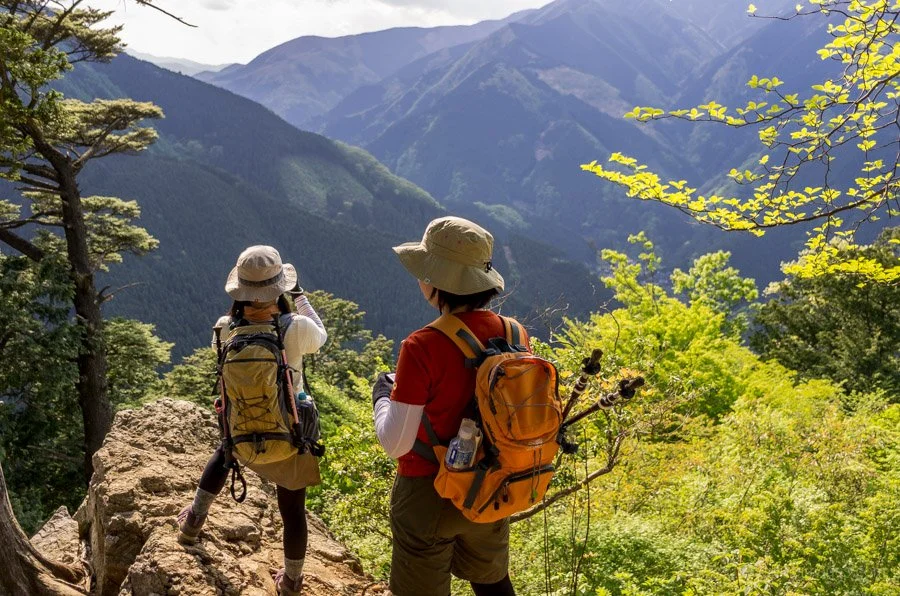
“Relax & Explore Queensland” with gentle guided hikes and wellness inclusions
Don’t underestimate the appeal of well-packaged, no-stress travel.
4. Ensure Everything Is Bookable in Advance
Publish clear availability on your website and OTA listings
Allow advance reservations (3–6 months out)
Include options for customisation or group-specific times
Offer written confirmations in both English and Japanese
Japanese guests dislike ambiguity provide precise information about inclusions, duration, and what’s required of them.
5. Tell a Story That Resonates With Japanese Values
Themes that work well with this market include:
Harmony with nature
Quiet luxury and simplicity
Personal growth and learning
Deep cultural exchange
Authentic hospitality and sincerity
Focus on how your experience feels not just what it includes.
Case Study: Small Group Operator Success
Business: Eco-Cultural Experience Operator, Port Douglas
Challenge: Limited engagement with the Japan market despite strong reviews
Strategy:
Translated website and brochures into Japanese
Partnered with an ITO specialising in Japan travel
Trained staff in cultural etiquette and added a Japanese-speaking casual guide
Created a “Rainforest Spirit” 4-hour experience with Japanese tea ceremony and nature walk
Result:
Secured two group bookings (16 guests each) within six weeks
Rated 4.9/5 by Japanese agent partner
Built strong referral pipeline for 2026 season
My Final Thoughts: Japan Rewards Long-Term Relationship Building
The Japanese travel market may not always move quickly, it can take time to gain success. However the market values quality, respect, and consistency above all.
Those who invest in language readiness, cultural alignment, and travel trade engagement will build strong, lasting business from this high-value market.
✅ Plan ahead
✅ Package well
✅ Partner deeply
✅ Personalise respectfully

Want to Get Japan-Ready?
At Exceptional Experiences, we help tourism businesses:
Develop Japan-specific product bundles and price sheets
Train teams in cross-cultural service
Build trade partnerships and attend Japan-focused missions
Optimise content and marketing for Japanese guests
Let’s create a Japan Market Action Plan for your business today.
How Experiential Learning is Transforming Tourism in Australia & New Zealand
Breaking the Tourist Trap: Designing Authentic Experiences That Sell