Case Study: From Wilderness to Wellness — How Tasmania Became a Nature-First Adventure Capital
Purpose of This Case Study
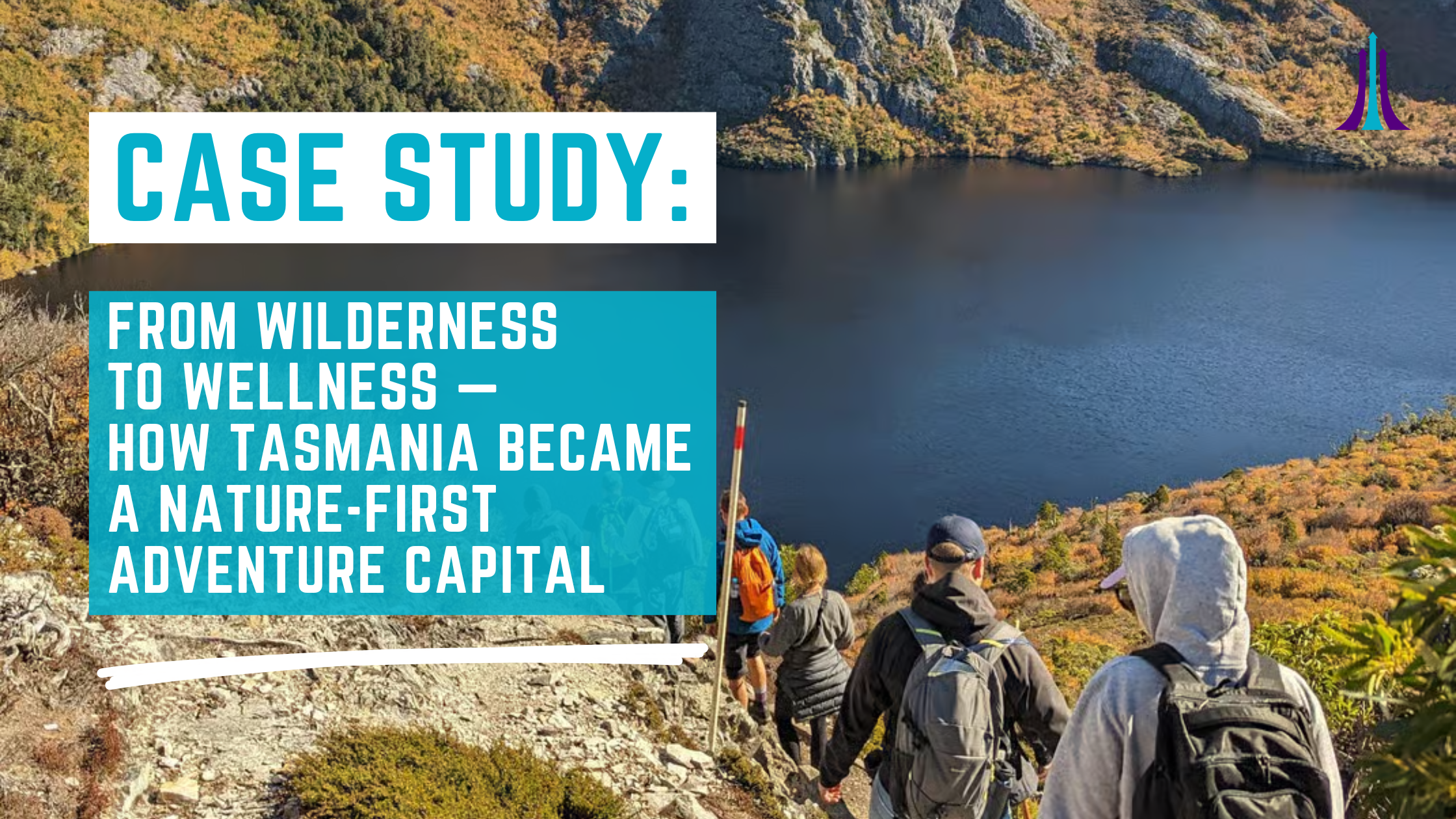
Tasmania has emerged as Australia’s nature-first adventure capital by embracing its pristine landscapes, remote wilderness, and outdoor culture.
This case study explores how Tasmania leveraged its national parks, wildlife, and adventure offerings (like mountain biking and multi-day bushwalks) to attract high-yield, low-impact travellers, creating a sustainable and emotionally engaging tourism model.
For tourism operators and destination managers globally, Tasmania offers a blueprint for how to build a wellness-meets-wilderness destination that doesn’t rely on mass tourism but on depth, story, and connection.
The Challenge: Small Scale, High Potential
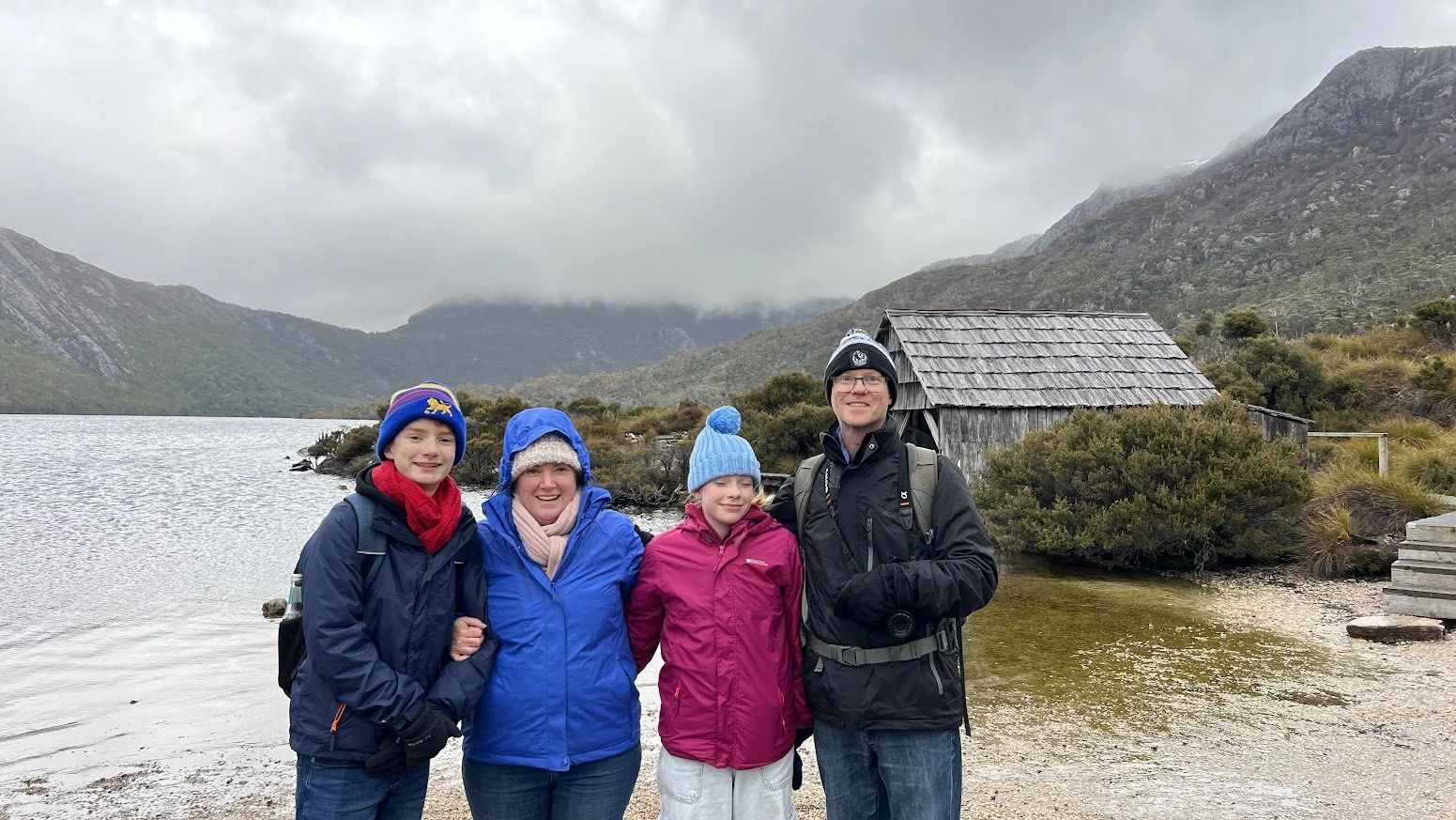
As an island state with a population of just over 541,000 (ABS, 2023), Tasmania lacks the infrastructure and scale of mainland Australia. Yet, it has one of the most diverse and untouched natural landscapes in the world:
19 national parks, covering nearly 40% of the island
Over 3,000 kilometres of coastline
A third of the state is World Heritage-listed wilderness
(Source: Tasmania Parks & Wildlife Service)
But this pristine environment couldn’t support high-volume tourism. Instead, Tasmania turned to low-volume, high-value strategies attracting travellers who stay longer, spend more, and deeply engage with nature.
The Strategic Shift: From Isolation to Aspiration
Tasmania’s shift began with a repositioning of its perceived remoteness and ruggedness turning isolation into aspiration:
“Come down for air.” – Tourism Tasmania Brand Platform
This campaign tapped into:
Post-COVID demand for nature and space
Rising global interest in wellness and slow travel
The emotional and spiritual benefits of time in nature
According to the Global Wellness Institute, wellness tourism is growing at a rate of 7.5% annually—faster than general tourism. Nature-based, mindful travel is at the heart of this growth.
Key Strategy 1: Building Eco-Adventure Product Clusters
Example: Cradle Mountain-Lake St Clair National Park
Cradle Mountain is a masterclass in clustered experience design:
World-class bushwalking (e.g. the Overland Track)
Luxury eco-lodges (e.g. Peppers Cradle Mountain Lodge)
Local food and wine experiences
Wildlife encounters (e.g. Tasmanian devils at Devils@Cradle)
New infrastructure: a $24 million visitor centre opened in 2020
This integrated approach provides:
Multiple entry points for visitors of different budgets and interests
Extended stays due to the diversity of offerings
A high-yield tourism model centred around one natural asset
What Tourism Operators Can Replicate
Bundle trails, accommodation, wellness, and local food into place-based ecosystems
Invest in small-scale, high-quality infrastructure
Promote curated experiences, not just landscapes
Key Strategy 2: Adventure Meets Wellness

Tasmania has moved beyond just “outdoor adventure” to wellbeing through nature.
Example: Blue Derby Mountain Bike Trails
The tiny former mining town of Derby (pop. <300) is now a global mountain biking hotspot:
$3.1 million invested in 125km of purpose-built trails
Events like Enduro World Series put it on the global stage
Accommodation, eateries, and shuttle services have flourished
More than 30,000 riders visited annually by 2020, contributing millions to the local economy
(Source: MTBA Derby Impact Study)
Yet it’s not just adrenaline tourism. Derby now also offers:
Forest bathing
Yoga and recovery retreats
Cold water swimming
What Tourism Operators Can Replicate
Turn your adventure offerings into holistic wellbeing escapes
Build pre and post-experience rituals (e.g. saunas, yoga, nutrition)
Use trail towns to create community-powered wellness hubs
Key Strategy 3: Sustainability and Conservation Embedded in the Experience
Rather than hiding conservation efforts, Tasmania embeds them into the visitor experience.
Example: Maria Island Walk
A multi-day, guided walk through a national park and wildlife sanctuary
Small group size (max 10 guests), eco-camps, and interpretation
Immerses guests in both natural history and conservation stories
Winner of multiple eco-tourism awards
This type of experience attracts the conscious traveller a segment growing rapidly:
76% of global travellers want to travel more sustainably (Booking.com 2023)
41% would pay more for eco-certified accommodation
What Tourism Operators Can Replicate
Include storytelling about your local conservation efforts
Keep experiences small-group, low-impact
Use certified guides to deepen emotional and educational value
Key Strategy 4: Targeting High-Yield, Low-Impact Travellers
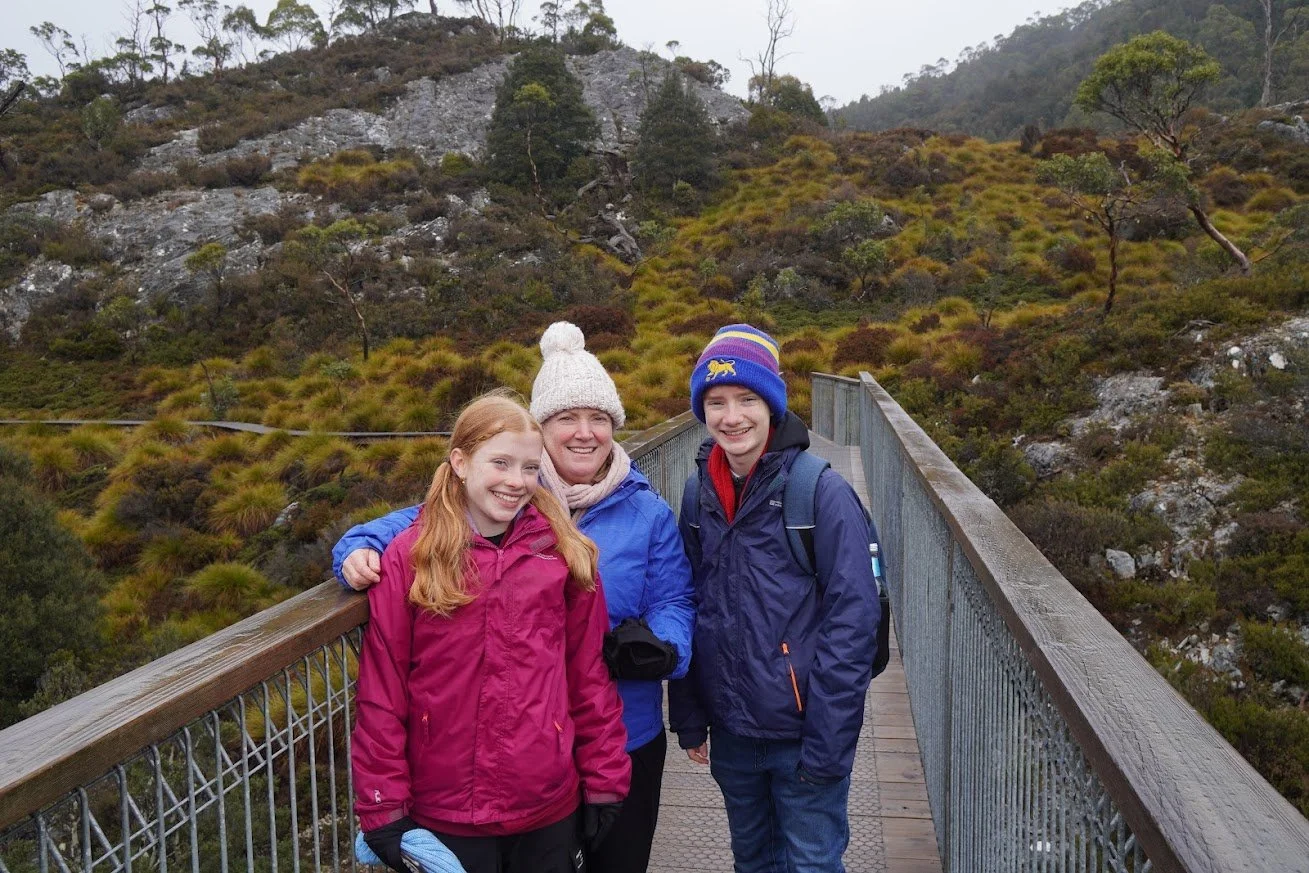
Tasmania’s approach is not for everyone and that’s intentional.
Instead of aiming for mass arrivals, Tourism Tasmania focuses on:
Longer stays
Dispersed travel into regional areas
Experiential product that justifies a premium price
The Impact
According to Tourism Research Australia:
In 2023, Tasmania’s average spend per visitor was $2,513, significantly higher than many mainland destinations
Adventure and nature were key drivers of visitation
Regional dispersal increased, with strong growth in the East Coast and North-West
Global Relevance: Who Can Learn From Tasmania?
This model is ideal for:
Wilderness-rich destinations with low tourism infrastructure
Post-COVID destinations seeking low-impact growth
Communities wanting tourism to support conservation, not compete with it
Whether you manage:
The mountains of Chile
The forests of British Columbia
The lakes of Scandinavia
The coastal trails of Ireland
…Tasmania’s playbook can be applied with local flair and authenticity.
5 Takeaways for Tourism Operators & Destinations
| Lesson | What to Do |
|---|---|
| 1. Cluster your nature products | Build layered itineraries that combine trails, food experiences, and accommodation |
| 2. Build emotion into nature | Market how it feels to be there, not just what visitors will see |
| 3. Support and tell conservation stories | Make environmental protection part of the visitor experience and product story |
| 4. Promote slow, immersive travel | Design experiences that prioritise depth and quality over volume |
| 5. Target mindful travellers | Speak to values, purpose, and impact rather than visitor numbers |
Want to Build a Nature-Led Tourism Strategy That Works?
I can help. I’m Sarah Colgate, founder of Exceptional Experiences, and I work with tourism operators and destinations to:
Reposition for high-yield, low-impact growth
Build transformative tourism products
Develop strategies that connect nature, wellbeing, and community
📞 Book a free 15-minute strategy call here
Let’s turn your natural assets into meaningful, sustainable, and profitable experiences.