The REAL Secret to Local Travel in 2026: Beyond the Tourist Traps
How Tourism Operators Can Maximise Opportunities and Prevent Overtourism
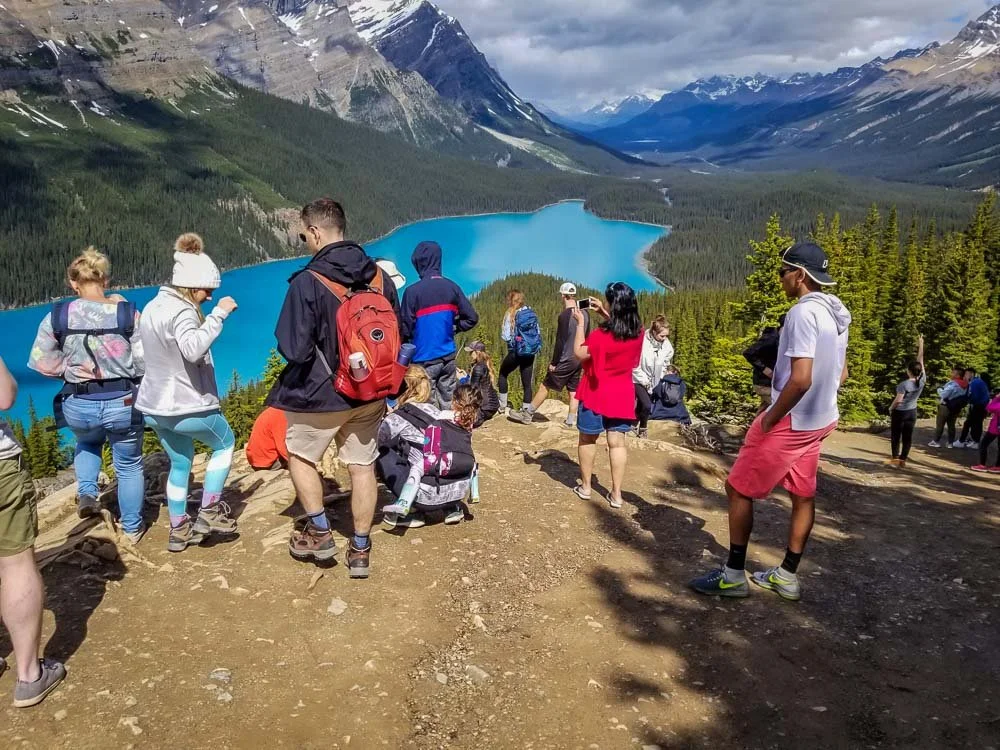
The headlines are screaming about overtourism.
Venice charges €10 entry fees.
Barcelona banning short term rentals.
Amsterdam capping cruise ships at 100 per year.
Dubrovnik limits visitors to 10,000 at any given time.
The message seems clear: tourism is broken.
But here's what most tourism operators are missing.
This isn't a crisis.
It's the biggest market opportunity since the pandemic.
The Real Secret: 80% of Travellers Visit 10% of Destinations
Let that number sink in. According to research tracking tourism's environmental impact, 80% of international travellers visit just 10% of global destinations. This is the central fact that reshapes everything about tourism in 2026.
Every major city is getting crushed by crowds. Venice, Barcelona, Amsterdam, Dubrovnik, and soon many others will implement strict visitor caps. Venice has already introduced a €5 to €10 entry fee for day visitors. Barcelona will charge tourists €6 to €11 per night as of May 2025. Dubrovnik is implementing a booking system limiting visitors to 10,000 at any time.
But while these iconic destinations battle overcrowding, 90% of the world's travel infrastructure sits largely untouched.
This is the opportunity that will define 2026.
Why Overtourism Became Inevitable (And Why It Matters to You)
Overtourism isn't random. It's a direct result of how tourism has been marketed for the past three decades: concentrate visitors in iconic locations, build big hotels and attractions, and achieve maximum revenue through volume.
It worked until it didn't.
In 2025, Europe alone saw nearly 340 million international tourist arrivals, a 4% increase from 2024 and a 7% rise over pre-pandemic levels. The World Travel and Tourism Council projects international tourism to continue growing 3 to 5% annually through 2025 and beyond. But here's the problem: all those visitors are flooding the same 10% of destinations.
The result? Tourism inflation spiked to 6.8% in Europe in 2025, well above the overall inflation rate of 4.3%. Residents in popular destinations are being priced out of their own neighbourhoods. Local business owners say tourism no longer adds value beyond a certain threshold. Barcelona's own City Council notes that when tourism exceeds 14 to 15% of the city's GDP, it becomes a burden rather than a benefit.
The tipping point isn't a theoretical concept anymore. Destinations have hit it. And now they're fighting back with policies that limit growth.
For tourism operators still chasing mass market volume in popular destinations, 2026 will be painful. But for those willing to think differently about where and how travellers want to experience the world, the next five years represent an historic redistribution of tourism wealth.
The Shift That Changes Everything: Meaningful Travel Over Instagram Moments

Here's what the data reveals about traveller preferences in 2025 and beyond.
Modern travellers don't want what they came for 15 years ago. They want meaning. They want connection. They want to feel like locals, not tourists passing through.
As travel experts noted ahead of the 2026 season, the focus is shifting toward "meaningful travel." The modern tourist doesn't just want a photo in front of the Sagrada Familia; they want to know that their presence isn't displacing a local family or harming the environment. Travellers increasingly seek "immersive, experience driven stays" with emotional resonance, not just information delivery.
This represents a fundamental shift in what people pay for. And operators in lesser-known regions are perfectly positioned to deliver it.
The Numbers Back This Up
The global sustainable tourism market was valued at USD 2.01 trillion in 2024 and is projected to grow from USD 2.35 trillion in 2025 to USD 8.43 trillion by 2033, growing at a compound annual growth rate (CAGR) of 17.3% during the forecast period 2026 to 2033.
Let that growth rate sink in. 17.3% CAGR. While mass tourism is plateauing and facing restrictions, sustainable tourism is nearly doubling every five years. Over half of all travellers worldwide have made the decision to travel sustainably and are actively choosing sustainable travel options.
This is where the growth is. This is where the revenue is. And this is where tourism operators who haven't moved are going to be left behind.
The Successful Operators of 2026: Regional Dispersal Masters
The tourism destinations winning in 2025 and preparing for 2026 success are those implementing smart regional dispersal strategies. These aren't minor tweaks. They're fundamental reimagining of how tourism is distributed.
Italy's Blueprint: Regional Spreading, Not Concentration
Italy is a perfect case study. Expected to generate EUR 60.4 billion in international visitor spending in 2025, Italy is leveraging a critical advantage: regional campaigns spreading tourism beyond Rome and Venice.
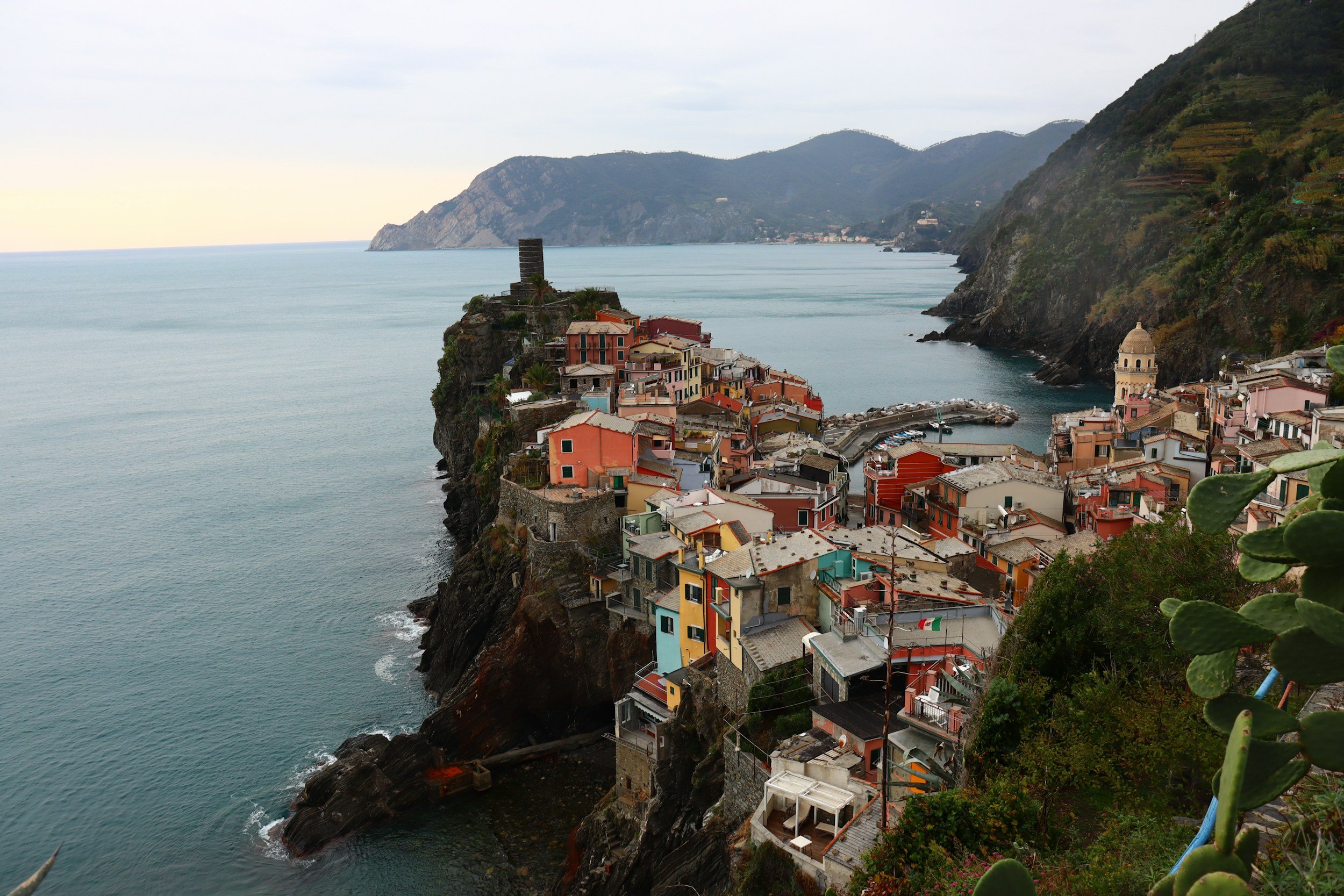
By promoting travel in shoulder seasons (spring and autumn), encouraging longer stays, and creating compelling narratives about lesser-known regions like Apulia and the lakes of Lombardy, Italy has transformed overtourism from a liability into a managed growth opportunity. International visitor spending is forecasted to exceed EUR 60 billion in 2025, with the travel and tourism sector contributing EUR 237.4 billion to Italy's GDP that year—nearly 11% of the nation's total economic output.
This works because Italy actively invests in developing secondary and tertiary destinations. But it only works if you have a coordinated strategy.
Thailand's Success: Off-Peak Travel and Lesser-Known Destinations
Thailand welcomed over 1 million UK visitors in 2025 through a well-devised dispersal strategy. Rather than concentrating tourists in Bangkok and Phuket, Thailand's Tourism Authority (TAT) promoted off-peak travel periods and emphasised regional dispersal across lesser-known destinations.
The result? UK tour operators introduced new tourism products encouraging British travellers to explore diverse parts of Thailand beyond traditional hotspots. By offering cultural heritage tours alongside eco-tourism initiatives, TAT ensured that tourism revenue spread across the entire country, not just the popular beach destinations.
Spain's Strategic Pivot: Quality Over Quantity in 2026
As Spain nears 100 million tourists in 2025, government strategy has shifted explicitly away from volume. Spain's "Sustainable Tourism Strategy 2030" is no longer a document on a shelf. It's being felt on the ground.
The country is now actively trying to decentralise visitors, luring them away from the crowded Barcelona streets and toward the rugged beauty of Galicia, the wine regions of La Rioja, and the historic charm of the interior. Spain is encouraging shoulder season travel (spring and autumn) to spread demand throughout the year rather than concentrating it in summer.
This approach isn't yielding lower tourism revenue. It's yielding smarter revenue that local communities actually benefit from.
How Tourism Operators Can Build Their 2026 Advantage
If you're operating a tourism business in 2026, the competitive advantage isn't going to come from being the most famous or having the biggest marketing budget. It's going to come from understanding how travellers' behaviour has shifted and positioning yourself to meet those new demands.
Here are the practical strategies that are working now and will dominate 2026.
Strategy 1: Become a Regional Dispersal Facilitator
Stop thinking of yourself as an isolated attraction. Think of yourself as part of a regional tourism ecosystem. This requires collaboration.
In Ireland, the Wild Atlantic Way Regional Tourism Development Strategy explicitly aims to "sustainably increase tourism revenue, extend the season and disperse visitors more widely within the region, minimising any adverse impacts on local communities and maximising benefits for them."
Their strategy includes interconnecting attractions so visitors naturally explore multiple locations, creating package deals that span multiple operators, and promoting the shoulder seasons when individual properties still operate profitably but visitor volumes are lower.
If you're in a secondary destination or lesser-known region, this is your moment. The travellers seeking authentic experiences are actively looking for places outside the obvious circuits. Your competitive advantage is that you're not overcrowded. Package that advantage into your marketing.
Action Step: Map your region's attractions and create bundled packages with complementary operators. Use AI-driven booking systems to coordinate availability across multiple properties and experiences.
Strategy 2: Develop Authentic Experiences That Solve the Authenticity Crisis
There's a paradox at the heart of modern travel: everyone wants an authentic local experience, but when you give it to them, they photograph it, post it, and suddenly it's no longer authentic.
The solution isn't to hide authentic experiences. It's to go deeper. Real local communities, real cultural practices, real economic exchange that benefits residents.
Hotels and resorts leading the 2025 market are shifting from being service providers to becoming "curators of cultural connection." They're offering properties designed with regional architecture, gourmet food adventures rooted in local cuisine, and experiences that genuinely engage residents rather than reduce them to spectacle.
Research confirms this works. Emotional storytelling in destination marketing drives 27% better outcomes than traditional promotion. Iceland's "Inspired by Iceland" campaign encouraged locals to share authentic stories on social media. Tourist visitors exceeded forecasts by 27% compared to the prior year.
Action Step: Document real stories from your region. Partner with local residents and businesses. Market the genuine experience, not the Instagram-filtered version.
Strategy 3: Implement Smart Visitor Management Systems
This is where technology becomes essential. Destinations winning on overtourism aren't just hoping visitors spread out. They're actively managing where, when, and how visitors move through the region.
Venice, Pompeii, and Dubrovnik are all implementing booking systems that require advance reservations and enforce visitor caps. Barcelona is introducing a tourist coach management system requiring prior booking of parking spaces.
For private tourism operators, this translates to dynamic booking systems that:
Offer price incentives for off-peak visits and shoulder season travel
Distribute visitor flow to prevent bottlenecks and maintain experience quality
Collect data on how visitors move through regions to inform future planning
Use artificial intelligence to predict demand and recommend alternative times and locations
Hotels and resorts accelerating AI integration in 2025 are seeing measurable improvements in occupancy rates, revenue per available room, and guest satisfaction. The technology that was luxury three years ago is now a baseline competitive requirement.
Action Step: Invest in booking systems and dynamic pricing that incentivise off-peak and shoulder season travel. Use the data to identify and promote lesser-visited times and locations.
Strategy 4: Target Underserved Markets Proactively
One of the clearest insights from 2025 data is that certain visitor markets are heavily concentrated in certain destinations, whilst completely untapped in others.
Tourism Research Australia found that South Korean visitor spending in 2024 was over 140% of pre-pandemic levels, but most of that was to eastern Australian states. This raised a critical question: how do you encourage growth in other regions?
The answer is targeted marketing. Thai tourism is succeeding precisely because it's deliberately promoting specific regions to specific markets. Rather than generic "Visit Thailand" campaigns, they're creating tailored itineraries and experiences for British travellers to specific regions.
Understanding visitor source markets and their spending patterns gives you the insight to position your region precisely where underserved demand exists.
Action Step: Analyse which international markets are underrepresented in your region. Develop targeted marketing campaigns and tailored experiences for those markets.
Strategy 5: Position Shoulder Season Travel as Premium, Not Discount
The biggest mental shift required is repositioning when tourism happens. For decades, tourism has been concentrated in summer peaks because that's when "everyone" travels.
But "everyone" is exactly the problem.
Leading destinations in 2026 are actively promoting shoulder seasons (spring and autumn) not as discount periods but as premium travel experiences. Spain emphasises the beauty and temperate weather of spring and autumn travel. Italy highlights longer stays and deeper cultural immersion possible during less crowded seasons.
The data supports this. Travellers reporting concerns about overtourism are specifically choosing to travel during off-peak times to avoid crowds. This represents a complete inversion of the traditional summer-peak model.
Rather than cutting prices in off-peak seasons, smart operators are repositioning: "Experience [destination] the way locals do, without the summer crowds. Premium pricing for premium experience."
Action Step: Create premium off-season packages marketed as "the real [destination]" experience. Price them competitively with but not below peak season offerings.
The Technology Layer: Making It All Work
Smart visitor dispersal requires infrastructure. The 2026 winners are those investing in technology now:
Booking and Distribution Systems: Real-time systems coordinating across multiple properties, attractions, and experiences. These allow dynamic pricing and inventory management that respond to demand patterns across a region, not just an individual property.
Data and Analytics: Understanding where visitors come from, how they move through regions, what experiences they seek, and what would drive them to alternative locations or times. This intelligence informs every decision.
Customer Communication: Personalised recommendations delivered at the moment of booking, suggesting complementary experiences in lesser-visited areas or different times to visit.
Visitor Flow Management: Real-time systems tracking visitor density at major attractions and recommending alternatives when capacity constraints approach.
These technologies exist now. They're being deployed successfully by leaders like Barcelona, Dubrovnik, and Venice. Operators implementing them in secondary regions gain enormous competitive advantage.
The Opportunity Frame: What Winners See
Tourism operators who are winning in 2025 and preparing for growth in 2026 share a common perspective: they see overtourism not as a constraint on growth but as a redistribution of opportunity.

Popular destinations are capping visitor numbers. They're implementing fees and restrictions. They're prioritising local quality of life over tourism volume. This is tragic for mass tourism operators concentrated in these places.
But it's a historic opportunity for operators in secondary and lesser-known regions.
Consider the numbers:
80% of travellers visit 10% of destinations
Sustainable tourism is growing at 17.3% annually
Over 55% of travellers actively choose sustainable options
Regional dispersal strategies are increasing average visitor spending through longer stays and higher value experiences
Off-peak travel reduces visitor management costs whilst maintaining revenue
The mathematics are straightforward. Redirect even a small percentage of the 20% of travellers seeking alternatives and secondary destinations see transformative growth.
Practical First Steps for 2026
If you're a tourism operator looking to position your business for 2026 success, these are the immediate actions:
Month 1-2: Regional Mapping
Identify your region's complementary attractions and operators. Begin conversations about coordinated marketing and bundled experiences. Map your visitor flows by season, market origin, and experience type.
Month 2-3: Technology Assessment
Evaluate your current booking and distribution infrastructure. Do you have the systems required for dynamic pricing, cross-property coordination, and real-time demand insights? Plan investment accordingly.
Month 3-4: Market Research
Analyse which visitor markets are underrepresented in your region relative to global patterns. Identify segments that match your authentic experience offering. Begin developing targeted marketing.
Month 4-6: Experience Development
Create 2 to 3 premium shoulder-season packages and regional bundled experiences. Price them strategically. Test messaging about authenticity, local engagement, and avoiding crowds.
Ongoing: Data Analysis
Track which markets, seasons, and experience types drive booking. Use insights to refine marketing and operations continuously.
The Competitive Reality of 2026
The global tourism sector is at an inflection point. Mass tourism as it's been practised is structurally unsustainable. Destinations are implementing hard caps and restrictions. Travellers are actively seeking alternatives.
The tourism operators positioned to succeed from 2026 onwards aren't those fighting for share of the shrinking mass-tourism pie. They're those building sustainable, regional, experience-driven tourism models that benefit both their businesses and the communities they operate in.
The "real secret to local travel in 2026" isn't a secret at all. It's simply this: stop chasing tourists. Attract travellers.
The shift is already underway. The operators building their strategies around this reality now will own the growth that follows.
Essential Resources and References
Overtourism and Sustainability Policy:
UN Tourism World Tourism Barometer 2025: https://www.untourism.int/un-tourism-world-tourism-barometer-data
Sustainable Travel Institute Overtourism Guide: https://sustainabletravel.org/what-is-overtourism/
Travel and Tour World Overtourism Coverage: https://www.travelandtourworld.com/
Regional Dispersal and Best Practices:
Wild Atlantic Way Regional Tourism Strategy: https://www.thinkdigital.travel/research-directory/wild-atlantic-way-regional-tourism-development-strategy-2023---2027
Tourism Research Australia Data: https://www.austrade.gov.au
Italy Tourism Ministry Sustainable Strategy: https://www.beniculturali.it
Thailand Tourism Authority: https://www.tatnews.org
Technology and Operational Excellence:
Baker McKenzie Hotel and Tourism Trends 2025-2026: https://www.bakermckenzie.com/en/insight/publications/2025/07/what-is-shaping-hotels-resorts-tourism-sector
Hospitality Net 2026 Trends Report: https://www.hospitalitynet.org
TOMIS Tourism Technology Report 2025: https://tomis.tech/blog/tourism-travel-industry-trends-2025/
Market Intelligence:
World Travel and Tourism Council Economic Impact Reports: https://www.wttc.org
Statista Tourism Trends and Statistics: https://www.statista.com/topics/13141/travel-and-tourism-trends-2025
Hotel Blueprint Global Tourism Trends 2025: https://thehotelblueprint.com
Specific Destination Studies:
Barcelona's Sustainable Tourism Repositioning: https://www.visitbarcelona.com
Dubrovnik's Carrying Capacity Study and Booking System: https://www.tzdubrovnik.hr
Venice's Visitor Management System: https://www.comune.venezia.it
Amsterdam's Overtourism Management Strategy: https://www.amsterdam.nl
Key Takeaway
The tourism landscape in 2026 will be defined by a simple fact: the era of mass tourism is ending. Destinations managing this reality will thrive. Those resisting it will decline.
For tourism operators, this creates an unprecedented opportunity. The travellers seeking authentic, sustainable, locally-rooted experiences are actively looking for alternatives to overcrowded hotspots. Your region doesn't need to be famous. It needs to offer what famous places can't: genuine local connection without the crowds.
That's the real secret to local travel in 2026.

Position Your Tourism Business for Success in 2026
At Exceptional Experiences, we help tourism operators navigate the shifting landscape of global travel. With evolving visitor preferences, new restrictions, and emerging opportunities, we work with you to identify growth strategies, elevate your offerings, and implement actionable plans grounded in the latest market insights.
👉 Book a call with Sarah Colgate to turn today’s tourism challenges into tomorrow’s competitive advantage.
Breaking the Tourist Trap: Designing Authentic Experiences That Sell
The Secret to Creating Travel Experiences That Guests Never Forget